Embroidery Mountain Landscape Review
As an embroidery designer who has spent years digitizing and testing designs for small businesses, I approach every new asset with a critical eye. It is not enough for a design to look pretty on a screen; it must perform under the needle, withstand industrial washing, and communicate brand value instantly. Today, I am reviewing Embroidery Mountain Landscape, a digital asset positioned within the Crafts and Graphics categories. My goal is to determine if this design holds up as a viable tool for branded merchandise, from boutique patches to staff uniforms.
First Impressions and Visual Personality
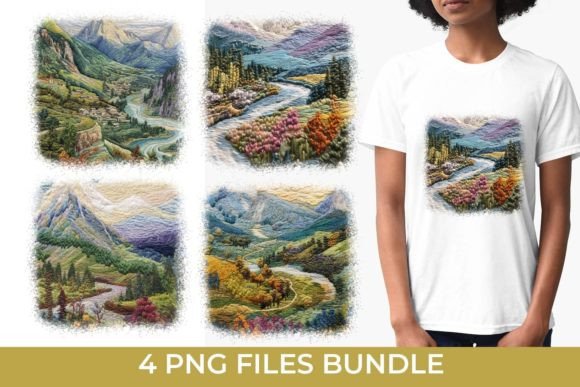
The immediate appeal of Embroidery Mountain Landscape lies in its evocative nature. The title suggests a rustic, outdoor-inspired aesthetic that resonates deeply with current consumer trends favoring nature, adventure, and authenticity. For a handmade brand or a local business, this visual language is powerful. It feels less like a corporate logo and more like a story told through thread. The description invites us to "immerse yourself in the intricate world of embroidery," which sets an expectation of detail and artistry.
From a design perspective, mountain motifs often rely on strong silhouettes and layered depth. If executed well, this design should convey a sense of stability and grandeur. For apparel decorators, this means the design likely leans towards a classic or modern-rustic style rather than something ultra-minimalist or playful. This distinction is crucial because it dictates where the design will succeed. A rugged mountain scene might overwhelm a delicate silk blouse but would look exceptional on a heavy cotton tote bag or a denim jacket. The "intricate" descriptor suggests that the design may feature varied stitch directions to mimic the texture of rock and foliage, which is a hallmark of high-quality machine embroidery design work.
Real-World Business Applications
When evaluating Embroidery Mountain Landscape for commercial use, I consider versatility. Small business owners need assets that can cross multiple product lines without losing impact. Here is how this design performs in various scenarios:
- Embroidered Patches: This is perhaps the strongest application. A mountain landscape translates beautifully into a patch format, allowing businesses to create collectible items for customers. Whether for a hiking club, a national park souvenir shop, or a lifestyle brand, a patch offers a tangible, premium feel.
- Staff Uniforms and Aprons: For cafes, bakeries, or florists with an earthy brand identity, placing this design on apron embroidery adds a touch of artisanal charm. It signals to customers that the staff takes pride in their craft. However, placement is key; a smaller version on the chest pocket area works better than a large back print for daily wear.
- Cap Embroidery: Caps are a staple of small business merch. A simplified version of the mountain landscape could work well on the front panel, provided the stitch density is managed to prevent puckering on the curved surface.
- Tote Bag Design: Canvas bags provide a stable, flat surface ideal for detailed graphics. Using Embroidery Mountain Landscape here allows for larger hoop sizes, showcasing the intricacy mentioned in the product description. It turns a simple bag into a statement piece.
- Event Merch and Customer Gifts: For creative studios or boutiques hosting workshops, this design can serve as a memorable takeaway. It reinforces brand identity by associating the business with quality and nature.
Technical Considerations for Production
While the aesthetic potential is high, the technical execution of Embroidery Mountain Landscape requires careful attention. As a designer, I always advise checking the specifics of the digital embroidery file before committing to production. The product description mentions it is a PNG design for T-shirts, which implies it might be a graphic representation rather than a native embroidery file format like PES or DST. If you are using this as a reference for digitizing your own machine embroidery design, you must account for several factors.
First, consider stitch density. Intricate landscapes can become dense mats of thread if not properly optimized. High density on lightweight fabric can cause pulling and distortion. Always test the design on a scrap piece of the actual fabric you intend to use. Second, evaluate the thread colors. Mountain scenes often require subtle gradients to show depth. Ensure your thread library can match the intended palette, or simplify the design to fewer colors for cost-effective production.
Another critical factor is the hoop size. If the design is too large for standard hoops, you may need to split the design or use a multi-position hoop, which increases production time. For small business owners, efficiency is profit. Therefore, confirming that the design fits within common hoop sizes (such as 4x4 or 5x7 inches) is essential. Additionally, the choice of stabilizer cannot be overlooked. Cut-away stabilizers are generally recommended for garments that will be washed frequently, while tear-away might suffice for decorative patches that will not undergo rigorous cleaning.
Brand Identity and Customer Trust
Using Embroidery Mountain Landscape is not just about decoration; it is a strategic branding decision. In the realm of small business merch, consistency builds trust. If your brand values sustainability, outdoorsmanship, or handmade quality, this design reinforces those messages visually. Customers perceive embroidered items as higher value than printed ones. The texture of the thread adds a tactile dimension that engages buyers and encourages social sharing.
However, visual consistency is paramount. Ensure that the style of this mountain landscape aligns with your other design assets. If your logo is ultra-modern and geometric, a rustic mountain scene might create cognitive dissonance. Conversely, if your brand is warm and organic, this design will enhance your professional image. A well-executed embroidered patch or custom apparel item serves as a walking advertisement, increasing brand recognition every time it is worn or used.
Practical Designer Notes for Implementation
Before you launch this design into your product line, follow these practical steps to ensure success:
- Test in Black and White: Before committing to colorful threads, stitch out the design in black thread on white fabric. This reveals any issues with spacing, connectivity, or clarity that color might hide.
- Check Scalability: Verify if the design remains recognizable at smaller sizes. A complex landscape might lose detail when shrunk for a cap or a small label.
- Review Fabric Texture: Test on different materials. The same design will look different on fleece versus twill. Adjust your tension and stabilizer accordingly.
- Create a Printable Mockup: Use digital tools to place the design on photos of your products. This helps in marketing and allows clients to visualize the finished product before purchase.
- Confirm Licensing: Since this is a digital asset, strictly review the commercial license terms. Ensure you have the right to use it for physical goods sold for profit. Never assume; always verify.
In conclusion, Embroidery Mountain Landscape offers significant potential for small businesses looking to elevate their merchandise. Its rustic charm and intricate detail can enhance brand identity when applied correctly. By paying attention to technical details like stitch density, hoop size, and fabric compatibility, you can transform this graphic into a high-value commercial embroidery asset. Whether for a boutique patch collection or branded staff apparel, this design can help you connect with customers through the timeless appeal of handmade quality.