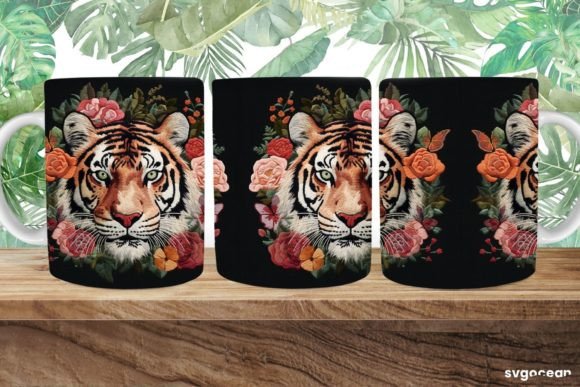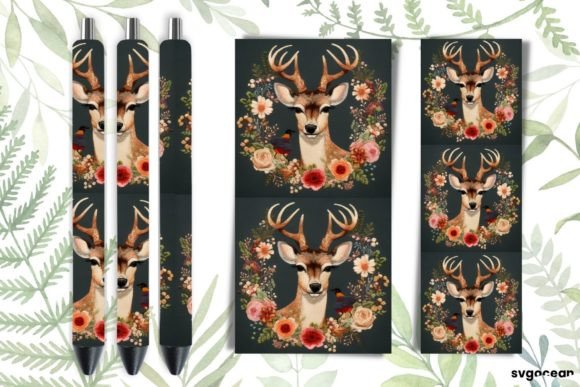
Review: Embroidery Tiger Pen Wraps Sublimation
As an embroidery designer who has spent years digitizing and testing files for small business merchandise, I approach every new digital embroidery file with a critical eye. It is not just about whether the design looks pretty on a screen; it is about how it performs in production, how it elevates a brand, and whether it withstands the rigors of daily wear. Today, I am reviewing Embroidery Tiger Pen Wraps Sublimation, a product categorized under Crafts and Graphics, to determine its viability for branded patches, uniforms, and boutique merchandise.
When I first examined the product description for Embroidery Tiger Pen Wraps Sublimation, my initial impression was one of bold, dynamic energy. The inclusion of "Tiger" suggests a design that is likely fierce, confident, and attention-grabbing. For small business owners, this visual personality can be a powerful asset. Whether you run a local gym, a bold streetwear brand, or an energetic creative studio, a tiger motif communicates strength and passion. However, the term "Pen Wraps Sublimation" introduces an interesting hybrid element. It implies that the design may have been originally intended for sublimation printing on cylindrical objects like pens, yet it is being offered as an embroidery asset. This duality requires careful evaluation to ensure the design translates well from flat digital graphics to textured thread work.
Visual Personality and Brand Identity Impact
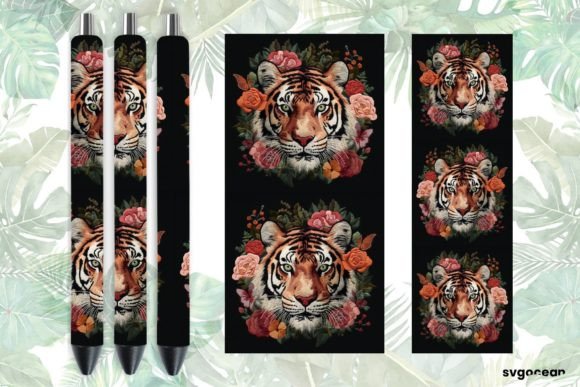
In the world of brand identity, consistency is key. A logo or graphic element must look professional across various mediums. Embroidery Tiger Pen Wraps Sublimation appears to offer a high-resolution PNG foundation, which is excellent for creating printable mockup assets before committing to stitching. The provided files include a PNG at 450 x 1425 px and another at 750 x 1500 px, both at 300 DPI. These dimensions suggest a tall, narrow aspect ratio, typical for wrap-around designs. For an embroidery designer, this shape presents both a challenge and an opportunity.
If used correctly, this design can significantly enhance customer trust and recognition. Imagine a boutique coffee shop using a simplified version of this tiger motif on their staff aprons. The bold imagery creates a memorable visual anchor, making the handmade product feel more premium and curated. Similarly, for pet brands or outdoor gear shops, a tiger emblem conveys reliability and ruggedness. The key is ensuring that the thread colors chosen for embroidery maintain the contrast and impact seen in the original graphic. A muddy or low-contrast stitch-out can diminish the perceived value of the finished product.
Real-World Applications for Small Business Merch
Let us discuss where Embroidery Tiger Pen Wraps Sublimation truly shines in a commercial setting. Based on its likely vertical orientation and bold subject matter, here are the most effective applications for small business merch:
- Embroidered Patches: This is perhaps the most versatile use. A tiger design works exceptionally well as a chest patch on denim jackets or backpacks. Patches allow for higher stitch density without worrying about fabric puckering, making them ideal for detailed graphics.
- Cap Embroidery: Placing a stylized tiger on the side panel of a trucker cap or the front of a structured dad hat can create a striking custom apparel item. However, the curvature of the cap requires careful digitizing to prevent distortion.
- Tote Bag Design: Canvas tote bags are a staple for Etsy sellers and boutique retailers. A large, centered tiger embroidery can turn a simple bag into a statement piece, increasing the perceived value of the item.
- Apron Embroidery: For bakeries, florists, or bars, branding on aprons is essential. A smaller, simplified version of the tiger logo on the chest pocket area adds a touch of professionalism and team unity.
- Event Merch: If your business participates in craft fairs or local markets, having branded merchandise with a strong visual like a tiger helps attendees remember your booth long after the event ends.
It is important to note that while the product is labeled under Crafts and Graphics, its application extends far beyond hobbyist projects. It is a viable tool for commercial embroidery when handled with professional standards.
Technical Considerations and Production Challenges
While the aesthetic potential is high, there are technical hurdles to consider when converting a sublimation-style graphic into an embroidery file. The product description states that the download includes PNG files, but it does not explicitly list native embroidery formats like DST, PES, or EXP. This is a crucial distinction. As a designer, I must advise you to check if the ZIP file contains actual machine-readable embroidery data or if it is strictly a graphic reference for manual digitizing.
If the file is indeed a graphic reference that you intend to digitize yourself, or if it comes with pre-digitized formats not listed in the brief description, you must pay attention to the following:
- Stitch Density and Detail: Tiger fur and facial features can be intricate. High stitch density on small areas can lead to thread breaks or fabric bunching. Simplify the design for smaller applications, such as left-chest logos on work shirts.
- Fabric Texture: Textured fabrics like pique polo shirts or rough canvas can obscure fine details. Test the design on the specific fabric texture you plan to use. Smooth fabrics like twill or satin generally yield cleaner results for detailed animal motifs.
- Stabilizer Selection: Using the correct stabilizer is non-negotiable. For stretchy fabrics like t-shirts, a cut-away stabilizer is essential to prevent the design from distorting over time. For woven fabrics like caps or bags, a tear-away might suffice, but test thoroughly.
- Hoop Size Constraints: Verify the required hoop size before starting. If the design is tall and narrow, ensure your machine’s hoop can accommodate the height without re-hooping, which can cause alignment issues.
Strategic Use in Marketing and Sales
Beyond the physical stitching, Embroidery Tiger Pen Wraps Sublimation serves as a valuable asset for marketing. The high-resolution PNG files included in the package are perfect for creating social media content, website banners, and product listings. You can overlay these graphics onto photos of your blank merchandise to create realistic previews for customers. This reduces the need for physical samples during the sales phase, saving time and resources.
For Etsy sellers and online boutiques, visual consistency across your design assets is vital. Using the same tiger motif on your packaging inserts, thank-you cards, and the actual embroidered product creates a cohesive unboxing experience. This level of detail fosters buyer engagement and encourages repeat business. Customers are more likely to trust a brand that presents itself professionally across all touchpoints.
Final Verdict for Business Owners
In conclusion, Embroidery Tiger Pen Wraps Sublimation offers significant potential for small businesses looking to add a bold, distinctive element to their merchandise. Its strength lies in its versatility as a graphic source for patches, caps, and apparel. However, success depends on proper technical execution. Do not assume the PNG files are ready-to-stitch embroidery data unless confirmed. Always test on scrap fabric, adjust thread colors for optimal contrast, and consider the end-use environment of the product.
Before integrating this into your production line, confirm the commercial licensing terms. Ensure that the license allows for the sale of physical goods featuring the design. Once verified, this design can be a powerful component of your small business merch strategy, helping you stand out in a crowded market with a look that is both professional and impactful. Treat it not just as a decorative graphic, but as a core element of your brand’s visual language.