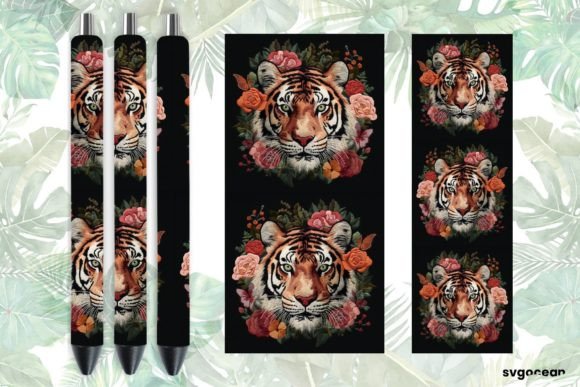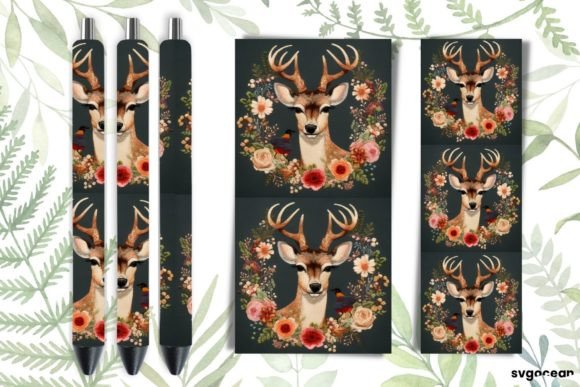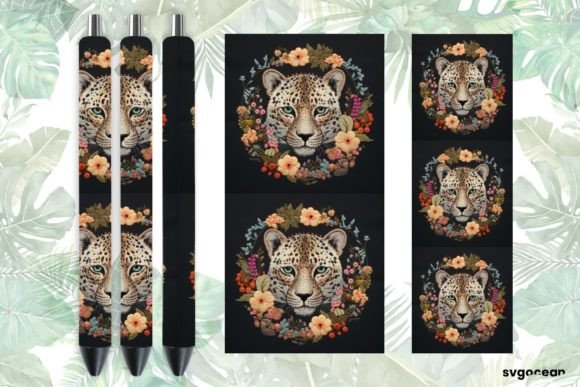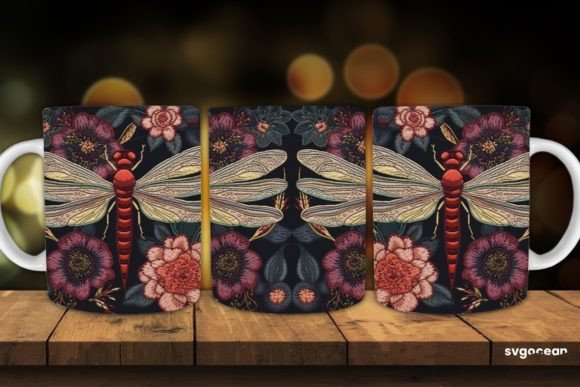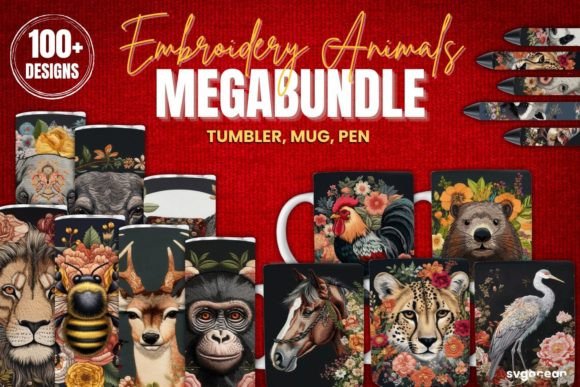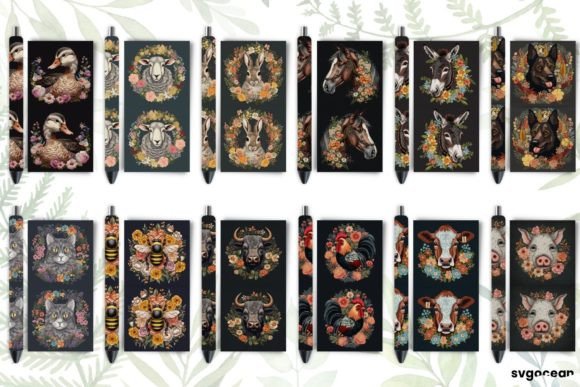
Farm Animals Pen Wraps Embroidery Review
As an embroidery designer who spends countless hours digitizing and testing designs for seasonal collections, I approach every new digital embroidery file with a critical eye. It is not just about whether the artwork looks cute on a screen; it is about how it translates to fabric, how it appeals to holiday shoppers, and whether it adds genuine value to a small shop product lineup. Recently, I reviewed the Farm Animals Pen Wraps Embroidery bundle, and I want to share my practical insights on how this collection fits into the broader world of Crafts and Graphics for the upcoming holiday season.
First Impressions: Rustic Charm Meets Modern Utility
The first thing that strikes you about the Farm Animals Pen Wraps Embroidery collection is its distinct emotional tone. It feels undeniably cozy, nostalgic, and playful. In a market saturated with generic winter motifs, these farm-themed wraps offer a rustic alternative that resonates deeply with customers looking for homey, heartfelt gifts. The design style leans toward a charming, hand-drawn aesthetic that bridges the gap between traditional countryside decor and modern minimalist trends.
When evaluating the detail level, I noticed that the lines are clean and well-defined. This is crucial for embroidery because overly complex details can get lost in the stitching process, especially on smaller items. The festive yet grounded vibe of these animals makes them versatile. They are not strictly limited to Christmas; they work beautifully for Thanksgiving, Easter, or even as year-round decor for families who love rural life. For an Etsy seller, this versatility means you can keep the listing active longer, maximizing your return on investment.
Strategic Product Applications for Holiday Sales
The true test of any machine embroidery design is its adaptability. While the title suggests "pen wraps," which implies sublimation or print applications given the PNG formats, creative embroiderers can adapt these graphics for various stitched products. Here is how I envision using these visuals in a real-world seasonal shop:
- Kitchen Towel Embroidery: Farm animals are a natural fit for kitchen linens. Imagine a set of flour sack towels featuring a cheerful cow or pig, paired with a simple border. These make excellent handmade gift sets for housewarmings or hostess presents during the holidays.
- Tote Bag Design: Canvas tote bags are staples for holiday shopping. A large, centered placement of one of these farm characters creates a statement piece. The rustic theme pairs perfectly with natural cotton fabrics, enhancing the organic feel of the finished product.
- Sweatshirt Embroidery: For a cozy winter look, consider placing a smaller version of these designs on the chest pocket area of a crewneck sweatshirt. This subtle placement appeals to customers who prefer understated, elegant apparel over loud, all-over prints.
- Pillow Cover Accents: Seasonal home decor sells incredibly well in Q4. An embroidered patch created from these designs can be sewn onto linen pillow covers, adding texture and visual interest to living room setups featured in social media previews.
- Personalized Gift Tags: Use the smaller elements to create custom gift tags or ornaments. A wooden ornament with a printed or stitched farm animal adds a premium touch to gift wrapping, increasing the perceived value of the entire package.
Navigating Technical Constraints and Fabric Choices
While the artistic appeal is high, we must address the technical realities. The product description notes that this bundle comes in a single ZIP file with PNG files (450x1425 px and 750x1500 px at 300 DPI). It is vital to understand that PNGs are image files, not native embroidery formats like PES or DST. Therefore, if you intend to stitch these, you will need to use auto-digitizing software or manually digitize the images based on these high-resolution references. This step requires careful attention to stitch density and pathing.
When adapting these graphics for embroidery, consider the following constraints:
- Hoop Size Limitations: Ensure your chosen hoop size accommodates the full design without cropping essential details. Farm animals often have expressive faces; losing part of the eye or snout can ruin the character's charm.
- Fabric Texture and Stability: Thick towels and stretchy garments require different approaches. Always use a proper stabilizer—cut-away for stretchy fabrics like sweatshirts and tear-away for stable woven fabrics like aprons or pillow covers. This prevents puckering and ensures the design lays flat.
- Thread Colors: Test your thread colors on both light and dark fabrics. Farm animals often involve whites, creams, and browns. On dark navy or black fabric, you may need to add a white underlay or outline to make the design pop. Conversely, on white fabric, ensure there is enough contrast in the shading to define the animal's features.
- Small Details: If you scale the design down for small items like baby bibs or patches, review the small details after stitching. Tiny ears or tails might merge if the stitch count is too high for the size. Simplify the design if necessary to maintain clarity.
Enhancing Seasonal Appeal and Brand Consistency
In the context of holiday selling, emotion drives purchases. The Farm Animals Pen Wraps Embroidery designs evoke feelings of warmth, family, and tradition. When you incorporate these into your commercial embroidery offerings, you are not just selling a stitched item; you are selling a feeling of home. This emotional connection increases buyer trust and encourages repeat customers.
For brand consistency, these designs work well if your shop already focuses on rustic, country, or family-oriented themes. They complement other seasonal items like plaid patterns, wood textures, and natural fibers. Using consistent printable mockup styles across your Etsy listings—showing the embroidery on similar backgrounds or lifestyle settings—helps customers visualize the product in their own homes.
Moreover, these designs are perfect for creating limited-edition drops. For example, a "Farmhouse Christmas" collection featuring these animals on aprons, oven mitts, and table runners can create a sense of urgency and exclusivity. Social media previews showing the behind-the-scenes process of stitching these designs can significantly boost engagement, as customers love seeing the craftsmanship involved.
Final Designer Notes and Licensing Considerations
Before adding Farm Animals Pen Wraps Embroidery to your seasonal lineup, there are a few final checks to perform. First, confirm the commercial licensing terms. Since the provided description mentions PNG files typically used for sublimation, ensure you have the right to use these images as references for digitizing and selling stitched goods. If the license is unclear, contact the creator directly. Selling finished products without proper rights can jeopardize your shop.
Second, create realistic mockups. Do not just place the digital file on a blank background. Show the texture of the thread, the slight raise of the stitches, and how the light hits the fabric. This transparency builds customer confidence and reduces returns due to mismatched expectations.
Finally, plan your color palettes carefully. Holiday seasons have specific color associations—reds and greens for Christmas, pastels for Easter, oranges and browns for Thanksgiving. Adapt the thread colors of your stitched versions to match these seasonal trends while keeping the core identity of the farm animals intact.
In conclusion, the Farm Animals Pen Wraps Embroidery bundle offers a charming, versatile foundation for holiday product creation. Whether you are an experienced digitizer looking for fresh inspiration or a crafter seeking unique graphics for sublimation, this collection holds significant potential. By paying attention to technical details like stabilizer choice and stitch density, and by leveraging the emotional appeal of rustic farm life, you can create standout products that resonate with holiday shoppers. Remember, the key to success in Crafts and Graphics is not just the design itself, but how thoughtfully you apply it to meet the needs and desires of your customers.