Reviewing the Embroidery Deer Tumbler Wrap for Craft Fairs
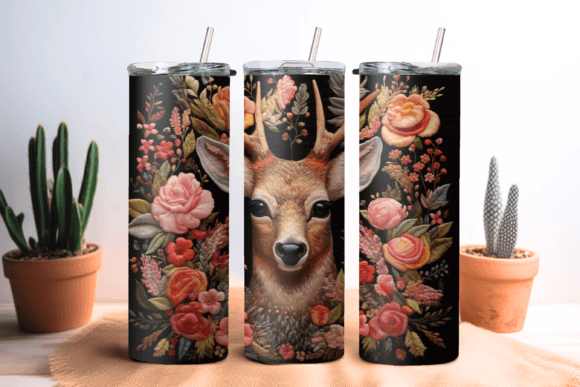
As an embroidery designer who has spent countless weekends behind a booth table, I have learned that not every digital file translates into a best-selling craft fair product. We often browse marketplaces looking for the next big trend, and recently, I came across a listing titled Embroidery Deer Tumbler Wrap. At first glance, the categorization under Print Templates and Graphics raised some eyebrows. Typically, we expect machine-ready formats, but this specific item is described as containing two PNGs designed for 20 oz skinny tumblers, upscaled to 300 DPI, with dimensions of 9.3 x 8.2 inches. It includes both straight and tapered versions of the same design, though it is noted as not seamless.
For those of us in the handmade community, this presents a unique challenge and opportunity. How do we take a graphic intended for sublimation or printing and adapt it for needle and thread? Let’s break down whether this Embroidery Deer Tumbler Wrap concept has a place in your next boutique collection.
First Impressions: Rustic Charm Meets Modern Utility
The immediate visual appeal of a deer motif suggests a rustic, farmhouse, or woodland aesthetic. These themes are perennial favorites at seasonal markets, particularly in the fall and winter months. When I review a design like this, I look for bold lines and clear shapes. Since the source file is a high-resolution PNG rather than a native embroidery file, the success of the final product depends entirely on the digitizing process. A well-digitized deer can look elegant and premium, while a poor conversion can result in a muddy, indistinct shape.
The "tumbler wrap" aspect implies a curved, continuous layout. In embroidery, translating a wrap-around graphic to flat fabric requires careful planning. You cannot simply stitch a 9.3-inch wide design onto a standard pocket without considering the hoop limitations. However, the strong silhouette of a deer offers excellent potential for a focal point on larger items.
Adapting Graphics for Handmade Products
While the original description targets tumbler printers, creative entrepreneurs can repurpose these design assets for various textile applications. Here is how I evaluate its performance across different handmade product categories:
- Tote Bag Design: A large deer silhouette works beautifully on canvas totes. The 9.3-inch width fits well within a 5x7 or 6x10 hoop if scaled slightly, making it a prominent feature for grocery or book bags.
- Apron Embroidery: Placing the deer on the bib of a kitchen apron adds a charming, cottage-core vibe. Ensure the stitch density is not too high, or the fabric may pucker.
- Tea Towel Embroidery: For linen or cotton towels, a simplified version of the deer can serve as a sophisticated accent. Avoid dense fills; instead, use satin stitches or running stitches to maintain the soft drape of the towel.
- Embroidered Patch: This is perhaps the most versatile application. By stitching the deer onto twill or felt and cutting it out, you create an iron-on or sew-on patch. This allows customers to customize their own jackets, hats, or backpacks, increasing the perceived value of your small shop product.
- Pillow Covers and Market Bags: The rustic theme aligns perfectly with home decor. A centered deer on a neutral pillow cover creates an instant cozy atmosphere.
Practical Selling and Production Points
When preparing for a craft fair, speed and consistency are key. If you are converting this PNG into a machine embroidery design, you must consider how easy it is to understand at a glance. Customers walking by your booth decide in seconds whether to stop. A recognizable deer shape is highly effective because it communicates the theme instantly.
Photography is another critical factor. This design, with its likely natural tones, photographs well against neutral backgrounds like cream, beige, or sage green. For your Etsy seller listings, create a printable mockup or, better yet, photograph the actual stitched sample. Show the texture of the threads. Buyers want to see the quality of the finished product, not just a digital representation.
Is it repeatable for batch production? Yes, provided you have a reliable digitized version. Once you have tested the stitch density and thread tension, you can run multiple units efficiently. This scalability is essential for meeting demand during holiday rushes.
Careful-Use Notes for Embroiderers
Transitioning from a graphic to embroidery requires technical vigilance. Here are specific areas where you might encounter issues with this type of design:
- Dense Stitch Areas: If the original PNG has solid black areas, avoid filling them completely with satin stitches. Use a tatami fill with appropriate underlay to prevent puckering, especially on lighter fabrics.
- Tiny Details: Antlers can be tricky. If the design includes fine lines, ensure they are thick enough to be caught by the needle. Thin details may break or get lost in the fabric texture.
- Fabric Texture: Textured towels or thick denim can distort small details. Test on scrap fabric first. For dark fabric, you may need to adjust your thread colors to ensure the deer stands out, perhaps using gold or cream instead of brown.
- Curved Surfaces: While the original is for a curved tumbler, embroidering on curved cap surfaces requires a cap frame and careful hooping. The design may need to be narrowed to fit the front panel of a baseball cap without distorting.
- Clarity at Smaller Sizes: Do not shrink the design below 4 inches wide unless you simplify the digitizing. Complex details will merge and lose clarity.
Enhancing Visual Appeal and Brand Consistency
Incorporating the Embroidery Deer Tumbler Wrap motif into your line can strengthen your brand if you specialize in rustic or nature-inspired goods. It adds a cohesive visual thread across different products, from patches to pillows. This consistency helps buyers recognize your style, fostering loyalty and repeat business.
Furthermore, unique designs drive buyer engagement. When customers see a high-quality embroidered deer that they cannot find in big-box stores, they perceive higher value. This perception allows you to price your commercial embroidery items more competitively while maintaining healthy margins.
Designer Notes: Before You Start Stitching
Before you commit to producing a full batch, follow these essential steps:
- Test on Scrap Fabric: Always run a test stitch-out on the exact fabric you plan to sell. Check for registration errors and thread breaks.
- Check Thread Contrast: Ensure the deer contrasts sufficiently with the background fabric. Low contrast can make the design look washed out from a distance.
- Review Spacing and Hoop Size: Confirm that the design fits your available hoops. If you only have a 4x4 hoop, you will need to split the design or reduce its size significantly.
- Inspect Stitch Density: High density can make fabric stiff. Adjust settings to keep the textile soft and pliable, especially for wearables like aprons.
- Use the Right Stabilizer: Match your stabilizer to the fabric weight. Cut-away for knits, tear-away for woven cottons.
- Create Real Mockups: Photograph the stitched sample in natural light. Use these images for your online listings to show true color and texture.
- Confirm Licensing: The product description mentions PNGs for tumblers. Verify if the creator allows for commercial use in embroidery. If the license is unclear, contact the seller before selling any finished product derived from this art.
In conclusion, while the Embroidery Deer Tumbler Wrap is marketed as a graphic for hard goods, its potential in the textile world is significant for the savvy maker. By understanding the technical requirements of converting graphics to stitches and focusing on high-quality presentation, you can turn this digital asset into a standout item at your next market. Remember, the key to success lies not just in the design itself, but in the craftsmanship and care you put into every stitch.