Winter Circle Embroidery Elegance: A Designer’s Review
As an embroidery designer who has spent countless weekends behind a craft fair table, I know that the difference between a browser and a buyer often comes down to visual impact. When I first loaded Winter Circle Embroidery Elegance into my digitizing software, my immediate goal was not just to admire the art, but to judge its potential as a revenue-generating asset. In the world of Crafts and Graphics, aesthetics are important, but practicality is king. This review breaks down how this design performs in the real world, specifically for those of us turning digital files into tangible, sellable goods.
First Impressions: Mood and Market Fit
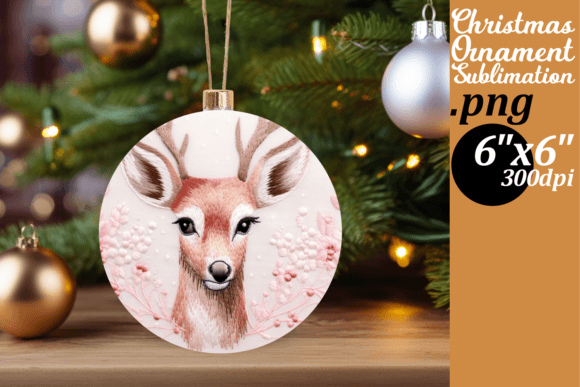
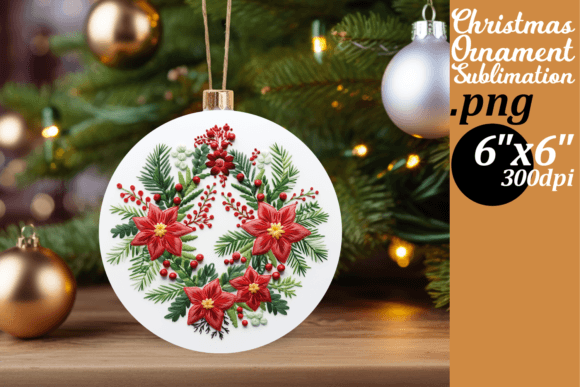
The title itself suggests a specific aesthetic. "Winter Circle" implies symmetry, continuity, and perhaps a wreath-like or mandala structure, while "Elegance" points toward refined lines rather than chaotic or overly cartoonish elements. Upon inspection, the design feels premium and decorative. It does not scream "funny" or "rustic" in a rough-hewn way; instead, it leans into a soft, modern elegance that appeals to buyers looking for giftable, high-quality items. For a boutique maker, this is crucial. You want a design that elevates the perceived value of the base product. This file fits seamlessly into a winter holiday collection or a cozy home decor line, offering a sophisticated alternative to the loud, novelty graphics that saturate the market.
Product Versatility and Booth Display Strategy
When preparing my booth for a weekend market, I look for designs that can stretch across multiple product categories without losing their charm. Winter Circle Embroidery Elegance shines when applied to flat, stable surfaces. Here is how it performs on key items:
- Tote Bags and Market Bags: This is arguably the strongest application. A large hoop placement on a canvas tote allows the circular motif to breathe. The symmetry draws the eye immediately, making it a standout tote bag design that customers can visualize using for grocery runs or book carrying.
- Tea Towels and Aprons: For kitchen textiles, the design works beautifully as a focal point. On a tea towel embroidery project, placing the circle near the hem creates a balanced, professional look. Similarly, on an apron, it serves as a central chest piece that feels intentional and stylish rather than cluttered.
- Pillow Covers: Home decor buyers love texture. Embroidering this design onto linen or cotton pillow covers adds a tactile dimension that prints cannot match. The circular shape frames the center of the pillow perfectly, enhancing the room's aesthetic.
- Embroidered Patches: If the design scales down well, it makes for excellent iron-on or sew-on patches. These are low-cost, high-margin add-ons that can be displayed in a jar at the front of your table to impulse buys.
However, caution is needed with curved surfaces like caps. While possible, the intricate details of an "elegant" design might distort on the curved panel of a baseball cap unless you have extensive experience with cap digitizing and stabilization. For a small shop product line, sticking to flat goods ensures consistent quality and reduces waste.
Production Practicality and Stitch Density
From a production standpoint, time is money. A design that looks great but takes four hours to stitch is not viable for a high-volume craft fair product strategy. While I cannot specify the exact stitch count without seeing the file data, the term "elegance" usually suggests a balance between coverage and negative space. Designs that are too dense can pucker lightweight fabrics, while those that are too sparse may look cheap on thick materials.
When evaluating Winter Circle Embroidery Elegance, pay close attention to stitch density. If the design features fine lines or small text within the circle, you must test it on your intended fabric. Dense stitch areas on textured towels can get lost, causing the design to look muddy. Conversely, on smooth cotton, those same details will pop. Always run a test stitch on scrap fabric before committing to your final inventory. This step is non-negotiable for maintaining the reputation of your brand as a provider of high-quality handmade products.
Navigating Technical Constraints
It is vital to address the technical requirements mentioned in the product description. The note states: "To effectively use this file, a thorough understanding of sublimation is essential. Ensure you have the requisite software and equipment before purchasing, as I can’t assist with the process." This is a critical distinction for embroidery designers. Typically, embroidery files are machine-readable formats like PES, DST, or EXP. Sublimation, however, is a printing process used on polyester fabrics. If this product is indeed a sublimation graphic rather than a traditional machine embroidery file, you cannot stitch it directly. You would need to print it onto sublimation paper and heat press it onto fabric.
If you are an embroidery-only business, verify the file format immediately. If it is a hybrid product or if the description contains a typo and it is actually a digital embroidery file, proceed with standard embroidery protocols. If it is truly for sublimation, you must have the printer, ink, and heat press ready. Do not assume compatibility. For those using it as a digital embroidery file, ensure your software can read the format provided. Always confirm commercial licensing terms before selling any finished product derived from these design assets.
Visual Appeal and Customer Engagement
In a crowded craft fair aisle, your booth display must stop traffic. Winter Circle Embroidery Elegance aids in this by providing a cohesive visual theme. Because the design is circular and elegant, it photographs exceptionally well for online listings. An Etsy seller can create stunning printable mockup images or real-life photos where the symmetry of the design draws the viewer’s eye to the center of the frame. This increases click-through rates and engagement.
Furthermore, the design supports brand consistency. If your shop focuses on minimalist, elegant home goods, this design reinforces that identity. It does not clash with other items; instead, it complements them. Buyers appreciate when a shop feels curated. Using a single strong design across various products—towels, bags, and pillows—creates a collection feel, encouraging customers to buy multiple items rather than just one.
Final Designer Notes for Success
To maximize the potential of Winter Circle Embroidery Elegance, follow these practical steps:
- Check Thread Contrast: Elegant designs often rely on subtle shading or monochromatic schemes. Ensure your thread colors contrast sufficiently with your fabric so the details are visible from a distance.
- Select the Right Stabilizer: For towels, use a cut-away stabilizer to prevent puckering. For woven bags, a tear-away may suffice, but test first.
- Confirm Hoop Size: Ensure the design fits your most common hoop sizes. If it is too large for a 5x7 hoop, you may limit your product options.
- Create Real Mockups: Before listing, stitch one sample on each product type you intend to sell. Photograph these real samples rather than relying solely on digital renderings.
- Verify Licensing: Read the included license agreement carefully. Confirm that you are allowed to sell physical items made with this design, especially if you are engaging in commercial embroidery.
In conclusion, Winter Circle Embroidery Elegance offers a sophisticated option for makers looking to elevate their winter inventory. By understanding its technical requirements and applying it to the right products, you can create a compelling, profitable line of handmade goods that stand out in both physical markets and online stores.