Review: Sewing Embroidery Digital Papers Pack
As an embroidery designer who has spent years digitizing logos for local businesses, I approach every new asset with a critical eye. We are not just making pretty pictures; we are building brand identity through thread and fabric. Recently, I evaluated the Sewing Embroidery Digital Papers Pack to determine its viability for small business merchandise and branded patch use. This is not merely a decorative collection; it is a strategic set of Graphics that can elevate the visual language of handmade brands, cafes, boutiques, and creative studios.
First Impressions: A Professional Yet Playful Aesthetic
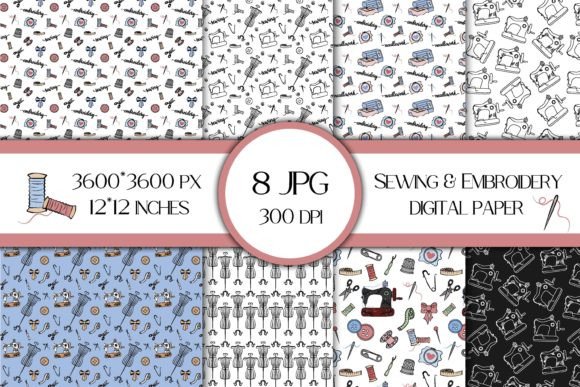
The Sewing Embroidery Digital Papers Pack immediately strikes a balance between professional utility and charming aesthetics. The collection features eight seamless square JPG backgrounds filled with cute linear sewing elements. Upon reviewing the patterns, which include motifs like sewing machines, mannequins, embroidery machines, and needles, the overall feel is distinctly handmade and friendly. It avoids the sterility of corporate minimalism while maintaining enough structure to look premium.
For a designer, this "linear" style is crucial. Linear elements often translate better into embroidery than solid fills because they reduce bulk and stitch count. The playful nature of the icons suggests these Patterns are ideal for businesses that want to convey approachability and craftsmanship. Whether you are running a floral shop, a pet brand, or a bakery, this pack signals to your customers that you value the artisanal process.
Real-World Application for Small Business Merch
The true test of any design asset is its performance in the field. I analyzed how the Sewing Embroidery Digital Papers Pack could function across various small business merch categories. Here is where these designs shine:
- Embroidered Patches: The seamless nature of the JPG backgrounds allows for creative cropping. You can isolate a single sewing machine or needle icon to create a compact, high-impact embroidered patch. These patches work exceptionally well on denim jackets, canvas tote bags, or as add-ons for online orders.
- Staff Uniforms and Aprons: For cafes and boutiques, staff presentation is key. Using the linear elements for apron embroidery adds a subtle touch of branding without overwhelming the garment. A small cluster of needles or a minimalist mannequin outline on the chest pocket area looks sophisticated and on-brand.
- Tote Bag Design: Canvas totes are a staple for retail. The repetitive nature of the seamless patterns can be used to create an all-over print effect if printed, or selected elements can be embroidered for a textured, premium feel. This enhances the perceived value of the finished product.
- Cap Embroidery: While full patterns are too dense for caps, isolating single linear elements from the pack creates excellent cap embroidery options. A small needle icon on the side panel or a tiny sewing machine on the back strap offers a unique detail that distinguishes your brand from competitors using generic fonts.
Strategic Considerations for Production
While the Sewing Embroidery Digital Papers Pack is visually appealing, experienced designers know that what looks good on screen does not always stitch out perfectly. There are specific areas where caution is required to ensure quality control in commercial embroidery projects.
Stitch Density and Detail: The description notes "cute linear sewing elements." Linear designs generally have lower stitch density, which is beneficial for preventing puckering. However, if you attempt to shrink these elements too much for tiny labels, the details may become lost. Always check the spacing between lines. If the gap is smaller than the diameter of your needle, you will experience thread breaks or poor coverage.
Fabric Texture and Contrast: These designs rely on clear outlines. On textured fabrics like terry cloth towels or heavy wool coats, fine linear details can get swallowed by the pile. I recommend testing the design on smooth cotton or twill first. Additionally, consider thread colors carefully. High contrast is essential for readability. If you are embroidering on dark uniforms, ensure you use a bright underlay or choose lighter thread colors to make the linear elements pop.
Curved Surfaces: Applying these patterns to curved surfaces like cap fronts requires careful digitizing. The linear elements must be adjusted to follow the curve of the cap to avoid distortion. Do not simply place the raw image; it must be adapted into a proper machine embroidery design file that accounts for pull and push compensation.
Enhancing Brand Identity and Customer Trust
Consistency is the cornerstone of trust. When a customer sees the same linear sewing motifs on your website, your packaging, and your physical merchandise, it reinforces recognition. The Sewing Embroidery Digital Papers Pack serves as a versatile tool for maintaining this visual consistency. By using these assets across different touchpoints, you create a cohesive narrative about your brand’s dedication to craft.
For Etsy sellers and handmade product creators, this pack can be used to create printable mockup backgrounds for product listings. Showing your actual embroidered items against a digital background from this pack creates a harmonious aesthetic that appeals to buyers looking for authenticity. It signals that you are not just selling a product, but a lifestyle centered around creativity and care.
Practical Designer Notes for Implementation
Before you commit to production runs, follow these practical steps to ensure the best results with the Sewing Embroidery Digital Papers Pack:
- Test in Black and White: Before selecting vibrant threads, view the design in grayscale. If the linear elements do not stand out clearly in black and white, they will likely fail in color. This helps identify issues with spacing and contrast early.
- Verify Hoop Size: Determine the optimal hoop size for your intended application. A 4x4 hoop might be perfect for a chest logo, while a 5x7 or larger hoop may be needed for tote bag accents. Ensure the design scales appropriately within these constraints.
- Use Proper Stabilizer: Linear designs can sometimes cause shifting if not stabilized correctly. Use a cut-away stabilizer for garments that will undergo frequent washing, such as staff uniforms, to maintain the integrity of the embroidery over time.
- Create Client Mockups: If you are designing for clients, use the JPGs to create digital mockups. Place the elements on photos of real apparel to help clients visualize the final look. This reduces revision rounds and sets clear expectations.
- Check Licensing and Formats: The product description specifies these are JPG backgrounds. To use them for embroidery, you will need to digitize them into a digital embroidery file format compatible with your machine (such as PES, DST, or EXP). Confirm commercial licensing terms to ensure you can use the derived embroidery designs for profit.
Final Verdict on the Design Assets
The Sewing Embroidery Digital Papers Pack is a valuable addition to the toolkit of any embroidery designer or small business owner. It bridges the gap between digital design assets and tangible custom apparel. While it requires thoughtful adaptation from a 2D graphic to a stitched reality, the potential for creating unique, branded merchandise is significant.
By focusing on the linear quality of the elements, respecting fabric limitations, and maintaining brand consistency, you can leverage this pack to produce high-quality embroidered patch collections, stylish uniform details, and memorable customer gifts. It is not just a pattern; it is a foundation for building a recognizable and trusted handmade brand.