Review: Embroidery Ethnic Pixel Pattern Vector
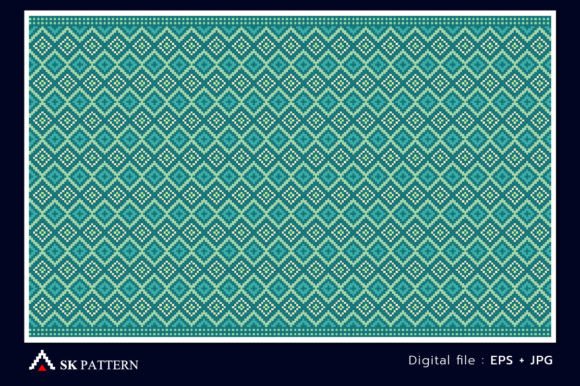
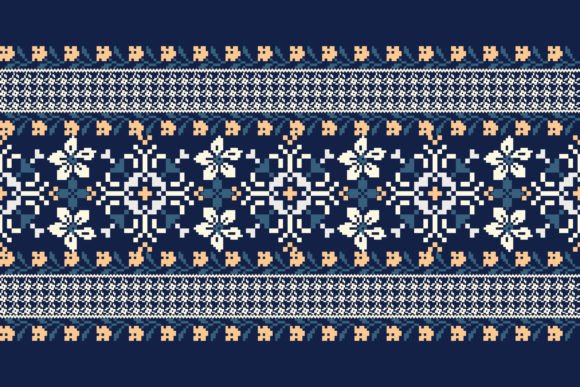
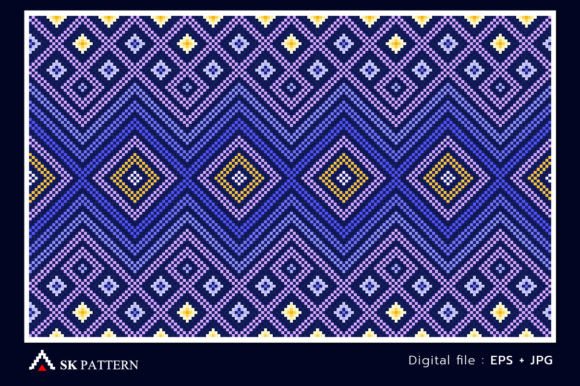
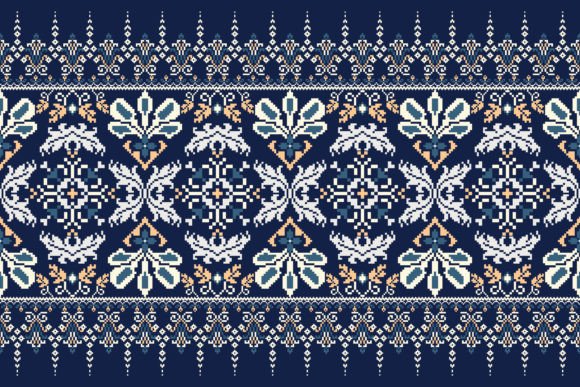
As an embroidery designer who has spent countless weekends behind a booth table, I know that the difference between a browser and a buyer often comes down to visual impact. When I first pulled up the Embroidery Ethnic Pixel Pattern Vector, my immediate thought was about versatility. In the world of handmade goods, we are constantly searching for that sweet spot between modern aesthetic and timeless appeal. This design, categorized under Patterns and Graphics, offers a unique blend of geometric precision and ethnic flair that feels incredibly relevant for today’s craft fair market.
First Impressions: Bold, Modern, and Versatile
The first thing that strikes me about this machine embroidery design is its boldness. The term "pixel" suggests a digital, retro-modern vibe, while "ethnic" implies rich, cultural motifs. When combined, the result is a pattern that feels both decorative and premium. It does not scream "farmhouse" or "rustic" in the traditional sense; instead, it leans toward a contemporary, global aesthetic. This is crucial for sellers because it allows the design to bridge multiple demographics. It is cute enough for a younger audience looking for trendy accessories yet sophisticated enough for home decor enthusiasts seeking unique wall art or tapestries.
For a craft fair seller, clarity is king. Customers walking past your booth have seconds to decide if they will stop. A design that is too intricate or muddy from a distance gets ignored. This pattern, with its defined lines and structured layout, stands out. It photographs beautifully for online listings, ensuring that your Etsy seller profile looks professional and cohesive. The high-contrast nature of pixel-inspired graphics means it retains its integrity even when viewed on a small smartphone screen, which is where most of your potential buyers will first encounter your work.
Product Applications: From Totes to Tapestries
The product description highlights a wide range of applications, including wall art, floor pillows, throw blankets, scarves, and dresses. As a practitioner, I evaluate these claims based on practical production. Here is how I see this digital embroidery file performing in a real-world small shop product lineup:
- Tote Bags and Market Bags: This is arguably the strongest use case. A large-scale version of this pattern on a canvas tote creates an instant statement piece. The geometric nature of the design complements the flat surface of cotton or canvas perfectly, making it a top-tier tote bag design.
- Aprons and Tea Towels: For kitchen textiles, the pattern works well as a border or a central focal point. Apron embroidery benefits from designs that are durable and visually striking, and this pattern’s structure holds up well against the wear and tear of daily use. For tea towel embroidery, ensure the scale is adjusted so the details do not get lost in the weave of the fabric.
- Pillow Covers and Cushions: Home decor is a high-margin category. Using this pattern on square cushion covers allows you to showcase the symmetry of the ethnic motifs. It pairs exceptionally well with solid-colored linen or velvet, adding a pop of artistic interest without overwhelming the room.
- Apparel and Scarves: While the description mentions dresses and skirts, I would approach this with caution. Large pixel patterns can look bulky on curved body surfaces. However, as an accent on a scarf hem or a pocket detail, it adds a unique, handmade touch that mass-produced clothing lacks.
Production Realities and Careful-Use Notes
While the aesthetic appeal is high, successful commercial embroidery requires technical diligence. Before you commit to batch production for your next fair, consider these practical constraints. The description notes that the files included are 1 EPS file and 1 JPG. It is vital to understand that an EPS is a vector graphic, not necessarily a ready-to-stitch embroidery file. You will likely need to digitize this vector into a stitch file using your preferred software, or confirm if a specific embroidery format is available elsewhere. If you are digitizing it yourself, pay close attention to stitch density.
Dense pixel patterns can become stiff and heavy if every "pixel" is filled with solid satin stitches. To maintain a soft hand feel, especially on items like scarves or baby blankets, consider using fill stitches with appropriate underlay or leaving small gaps to let the fabric breathe. Additionally, be mindful of fabric texture. On textured towels or thick denim, tiny details may disappear. Test the design on scrap fabric first. If you are working with dark fabric, ensure your thread colors have enough contrast to make the pattern pop. A low-contrast thread choice might render the intricate details invisible from a distance.
Another critical factor is the hoop size. Ensure your machine can accommodate the dimensions required for the full pattern. If you are scaling it down for smaller items like pouches or caps, verify that the design does not lose clarity. Small lettering or tiny geometric elements can merge together if scaled too small, resulting in a messy finish. For curved surfaces like caps, use a appropriate stabilizer to prevent puckering, which can distort the geometric precision of the pixel pattern.
Boosting Brand Consistency and Buyer Engagement
Incorporating the Embroidery Ethnic Pixel Pattern Vector into your lineup can significantly enhance your brand’s visual identity. Consistency is key for building a loyal customer base. If your brand leans toward modern, global, or artistic themes, this design reinforces that narrative. It serves as a strong anchor for your booth display, drawing the eye and inviting customers to touch and feel the quality of your finished product.
From a marketing perspective, this design is highly shareable. The striking visual nature makes it ideal for social media content. Create a printable mockup or stage a real-life photoshoot showing the pattern on various items. Show potential buyers how a simple tote bag transforms into a fashion statement with this embroidery. Highlight the handmade quality by showing close-ups of the stitch work. Buyers at craft fairs and online markets are increasingly educated; they appreciate the effort behind complex patterns. By showcasing the technical skill required to execute this design cleanly, you justify a higher price point and elevate the perceived value of your handmade product.
Final Designer Verdict
The Embroidery Ethnic Pixel Pattern Vector is a robust asset for any creative entrepreneur looking to expand their product range. It offers the flexibility needed for diverse applications, from large tapestries to small embroidered patches. However, success lies in the execution. Do not assume the vector file is plug-and-play for embroidery machines without proper digitization checks. Test your design assets thoroughly, check your licensing terms for commercial use, and always prioritize stitch quality over speed. When done right, this pattern can become a signature element of your shop, driving engagement and sales through its unique blend of modern pixel art and traditional ethnic charm.