Review: Boho Embroidery Ethnic Pattern Vector
As an embroidery designer who has spent years digitizing files for small businesses, I approach every new asset with a critical eye. It is not just about whether a design looks pretty on a screen; it is about how it translates to thread, how it holds up in the wash, and ultimately, how it serves the brand identity of the client. Recently, I evaluated the Boho Embroidery Ethnic Pattern Vector for potential use in commercial projects. This review is tailored for small business owners, apparel decorators, and handmade brands looking to elevate their merchandise with high-quality graphics.
First Impressions: Visual Personality and Brand Fit
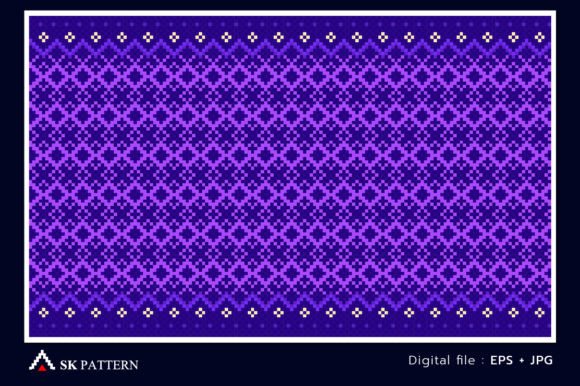
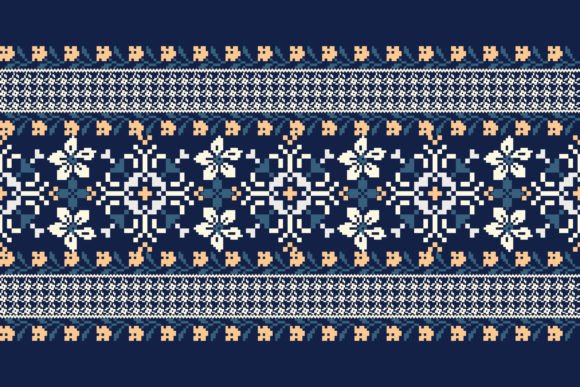
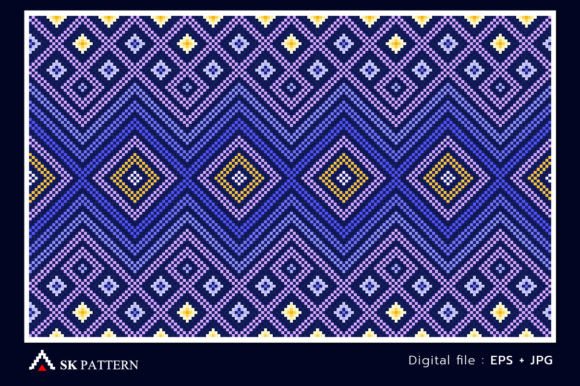
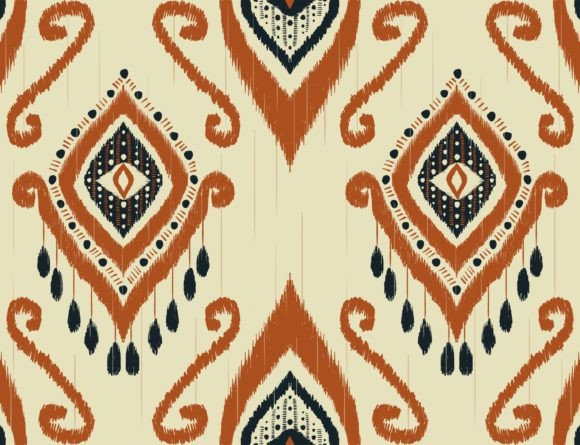
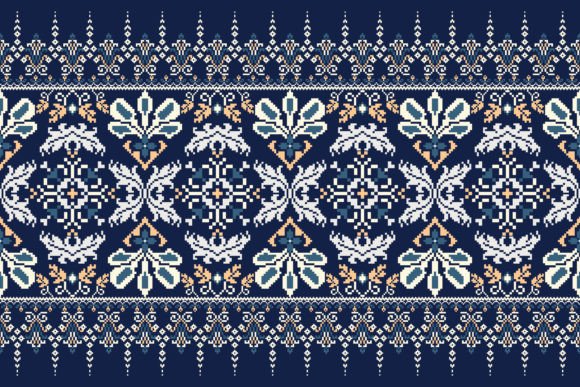
The first thing that strikes you about the Boho Embroidery Ethnic Pattern Vector is its versatility. The description highlights its suitability for wall art, floor pillows, throw blankets, tapestries, scarves, cushions, dresses, skirts, and gift wrapping. From a design perspective, this suggests a motif that is decorative, organic, and rooted in traditional aesthetics. For a boutique or a creative studio, this visual language communicates warmth, authenticity, and a connection to handmade craftsmanship.
When I look at this as a potential brand identity element, I see a design that feels both rustic and premium. It does not scream "corporate" in a cold way; instead, it invites engagement. For Etsy sellers and crafters, this is crucial. Customers buying handmade products are often looking for that personal touch, and ethnic patterns provide a sense of heritage and care. However, because it is described as a vector and graphic pattern, we must consider how these intricate lines translate into stitch work. The boho style often relies on flow and texture, which can be challenging to replicate if the digitization is not handled with precision.
Real-World Applications for Small Business Merch
Let us move beyond theory and discuss where this design actually works in a commercial setting. If you run a local café, a florist shop, or a pet brand, you need merchandise that stands out without being overwhelming. Here is how I envision using the Boho Embroidery Ethnic Pattern Vector:
- Embroidered Patches: This is perhaps the strongest use case. A circular or square patch featuring a segment of this ethnic pattern can be sewn onto denim jackets, canvas tote bags, or laptop sleeves. It acts as a subtle brand marker rather than a loud logo.
- Apron Embroidery: For bakeries and craft studios, staff aprons are walking billboards. Placing a simplified version of this pattern on the chest pocket or along the hem adds a layer of professionalism and style that plain uniforms lack.
- Tote Bag Design: Canvas totes are a staple for retail shops. Using this pattern as an all-over print or a large central embroidered motif can turn a simple bag into a desirable accessory, increasing the perceived value of your small business merch.
- Cap Embroidery: While complex patterns can be tricky on caps, a simplified element from this vector could work beautifully on the side panel or as a back strap detail, offering a unique twist on standard headwear.
For apparel decorators, this design offers a chance to create custom apparel that feels exclusive. Imagine a limited-edition run of t-shirts or hoodies where this pattern is used as a sleeve detail or a back yoke accent. It differentiates your product from mass-produced items found in big-box stores.
Technical Considerations and Production Challenges
While the aesthetic appeal is high, we must address the technical realities of turning a digital embroidery file into a finished product. The product description notes that the files included are 1 EPS file and 1 JPG. It is vital to understand that an EPS is a vector graphic, not necessarily a machine-ready embroidery file. You will likely need to digitize this vector into a stitch file compatible with your machine.
Here are the critical factors to watch:
- Stitch Density: Ethnic patterns often feature intricate details. If you attempt to stitch every line, you may end up with excessive stitch density, leading to fabric puckering or needle breaks. You must simplify the design for smaller applications like patches or cap fronts.
- Fabric Texture: The success of this design depends heavily on the fabric texture. On smooth cotton or linen, the details will pop. On textured towels or thick fleece, fine lines may get lost. Always test on the actual material you plan to use.
- Hooping and Stabilizer: Confirm your hoop size before starting. Large patterns require large hoops, which can be difficult to manage on curved surfaces like caps. Use the proper stabilizer to prevent distortion, especially if the design covers a large area like a tapestry or throw blanket.
- Color Contrast: Review your thread colors carefully. Boho styles often use earth tones, but ensure there is enough contrast between the thread and the fabric so the design remains visible from a distance.
Strategic Use for Brand Recognition
Using the Boho Embroidery Ethnic Pattern Vector is not just about decoration; it is a strategic move for brand building. Consistent use of specific patterns helps customers recognize your brand instantly. When a customer sees that distinctive ethnic motif on a scarf, a cushion, or a gift wrap, they associate it with your quality and style. This visual consistency builds trust and encourages repeat business.
For online sellers, creating a printable mockup using this design can significantly boost buyer engagement. Show potential customers how the pattern looks on a dress or a wall hanging. High-quality visuals help bridge the gap between digital browsing and physical ownership. Furthermore, using this pattern in your packaging—such as on tissue paper or stickers—adds a cohesive unboxing experience that delights customers and encourages social media sharing.
Designer Notes for Best Results
Before you commit to a large production run, follow these practical steps to ensure success:
- Test in Black and White: Before adding color, stitch the design in black thread on white fabric. This helps you identify any issues with spacing or detail clarity without the distraction of color.
- Check Scalability: Ensure the design works at small patch sizes. If details merge together when shrunk, simplify the vector before digitizing.
- Verify Licensing: The description mentions commercial use implications by listing various products, but always confirm the specific license terms for the design assets you purchase. Ensure you have the right to use the machine embroidery design for selling physical goods.
- Client Approval: If you are working with a client, create a digital mockup and, if possible, a physical sample. Getting sign-off on a tangible piece prevents misunderstandings about the final look.
In conclusion, the Boho Embroidery Ethnic Pattern Vector is a powerful tool for small businesses aiming to add a touch of artisanal charm to their products. Whether you are creating embroidered patches for a local band, designing apron embroidery for a coffee shop, or crafting unique home decor, this pattern offers the flexibility and aesthetic appeal needed to stand out. By paying attention to technical details like digitization, stabilizer choice, and fabric compatibility, you can transform this graphic into a high-value asset for your brand. Remember, the goal is not just to embroider a design, but to create a lasting impression that resonates with your customers.