Review: Pixel Ethnic Pattern for Craft Fairs
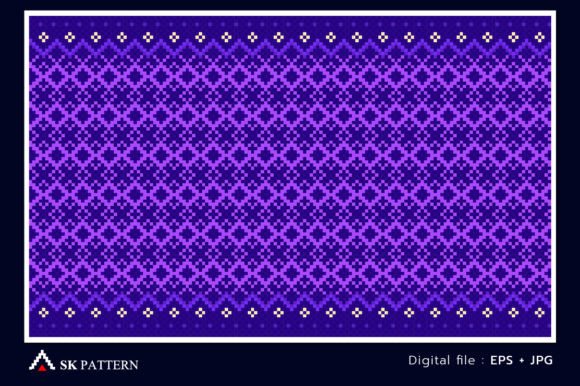
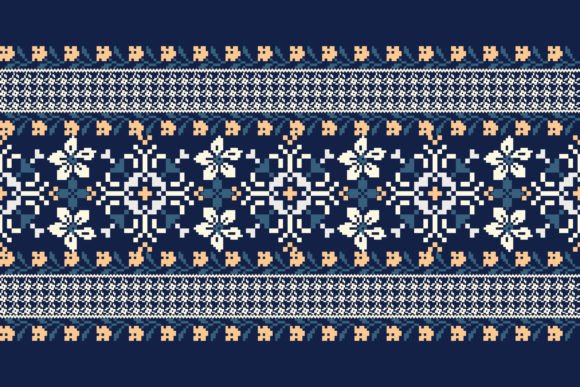
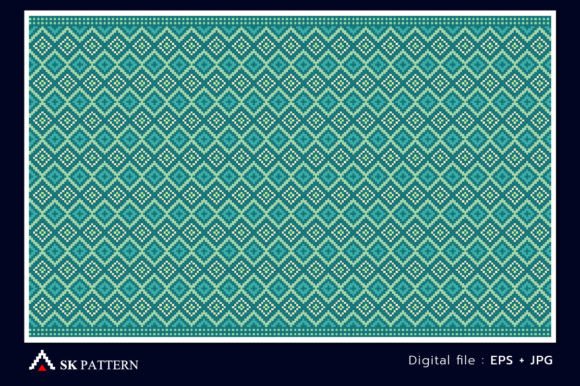
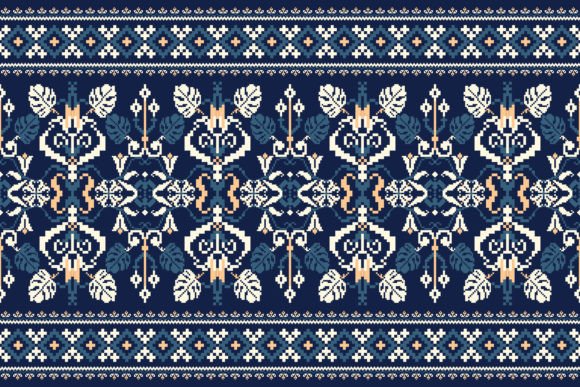
As an embroidery designer who has spent countless weekends behind a booth table, I know that the difference between a browser and a buyer often comes down to visual impact. When I first pulled up the Pixel Ethnic Pattern Embroidery Design, my immediate thought was about versatility. In the world of handmade markets, you need designs that pop from a distance but hold up under close inspection. This design sits at a fascinating intersection of modern digital aesthetics and traditional textile warmth. It does not scream "rustic" in the traditional farmhouse sense, nor is it overly delicate. Instead, it offers a bold, graphic quality that feels contemporary yet rooted in cultural motifs. For those of us selling Patterns and Graphics to other makers, or using them for our own finished product lines, this kind of hybrid style is incredibly valuable.
First Impressions and Visual Appeal
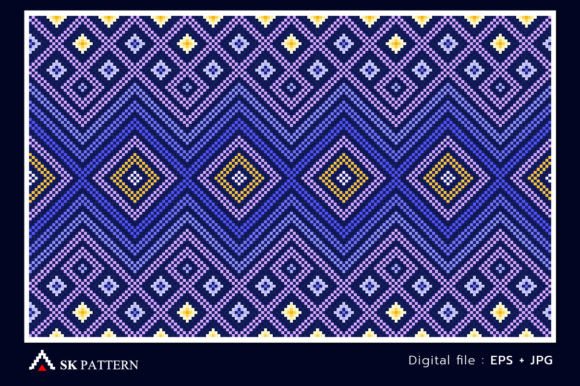
The term "pixel" suggests a blocky, digital origin, while "ethnic pattern" implies organic, hand-woven inspiration. When combined, the result is a design that feels curated and intentional. It is not soft or minimal; it is decorative and assertive. This is crucial for a craft fair environment where customers are walking past dozens of tables. A design that is too subtle gets lost in the noise. The Pixel Ethnic Pattern Embroidery Design has the structural integrity to serve as a focal point. It commands attention without being chaotic. For an Etsy seller or boutique maker, this means the design translates well into thumbnail images, stopping the scroll on social media and marketplace listings.
Strategic Product Placement for Maximum Sales
Not every design works on every item. Part of being a successful small shop product creator is knowing where your assets shine. Based on the description, this design is recommended for wall art, floor pillows, throw blankets, tapestries, scarves, cushions, dresses, and skirts. However, from a production and sales standpoint, I see specific opportunities for high-margin items.
- Tote Bags and Market Bags: This is arguably the best application. A large-scale version of this pattern on a canvas tote creates an instant statement piece. It functions as a tote bag design that appeals to shoppers looking for eco-friendly, stylish alternatives to plastic bags. The geometric nature of the pixelated elements ensures the design remains clear even on textured canvas.
- Aprons and Tea Towels: For kitchenware, placement is key. Using this as a border element or a central pocket accent on an apron adds value without overwhelming the garment. As a tea towel embroidery, it elevates a simple linen towel into a giftable item. The contrast between the structured pattern and the soft fabric texture creates a tactile appeal that customers love to touch.
- Pillow Covers and Cushions: Home decor is a staple at craft fairs. This design works beautifully on square cushion covers. Because it is described as suitable for tapestries and floor pillows, we can infer it scales well. A large hoop size allows the intricate details of the ethnic motif to breathe, making it a premium home accessory.
- Apparel Accents: While full-front prints are common, using this pattern on the hem of a skirt or the cuff of a dress sleeve offers a subtle, high-end look. It transforms a basic garment into a custom handmade product.
Production Practicalities and Technical Considerations
Before you commit to stitching fifty units for a weekend market, you must evaluate the technical requirements. The product description notes that the files included are 1 EPS file and 1 JP (likely JPG). This is a critical detail. If you are a machine embroiderer, you need to confirm if this is a vector graphic intended for conversion or a pre-digitized machine embroidery design. If it is a graphic file, you will need to digitize it yourself or hire a digitizer. If it is already digitized, you must check the stitch density.
Pixelated designs can sometimes result in high stitch counts if not optimized. High density can cause puckering, especially on lighter fabrics like cotton tea towels or silk scarves. Always use the right stabilizer. For tote bags, a cut-away stabilizer provides long-term durability. For woven dresses, a tear-away might suffice, but test first. Additionally, consider the thread colors. Ethnic patterns often rely on contrast. Ensure your thread palette complements the fabric color. Dark threads on dark fabric will vanish, ruining the visual impact. Conversely, high-contrast combinations will make the pixelated edges crisp and defined.
Navigating Fabric Textures and Hoop Sizes
Fabric texture plays a massive role in how this design renders. On smooth cotton or linen, the pixels will look sharp. On textured towels or rough canvas, the individual stitches may blend, softening the look. This is not necessarily a bad thing; it can add a rustic charm. However, avoid using this design on highly textured fabrics if the details are tiny. Small lettering or intricate inner details may lose clarity. If you are applying this to curved surfaces like caps, be wary of distortion. The geometric rigidity of a pixel pattern can look warped if not hooped perfectly. Always test the design on scrap fabric before committing to your final inventory.
Commercial Viability and Brand Consistency
For creative entrepreneurs, consistency is key. Does the Pixel Ethnic Pattern Embroidery Design fit your brand? If your shop focuses on bohemian, global-inspired, or modern geometric aesthetics, this is a perfect fit. It enhances brand consistency by offering a recognizable visual language across different products. Whether it is an embroidered patch or a large tapestry, the motif ties your collection together.
From a sales perspective, this design supports batch production. Once you have the digitizing and threading sorted, you can reproduce it efficiently. This repeatability is essential for meeting demand at busy craft fairs. Furthermore, the design’s versatility allows for diverse pricing tiers. A small patch can be an impulse buy, while a large embroidered wall tapestry can be a high-ticket item. This flexibility helps balance your revenue stream.
Final Verdict for Makers
The Pixel Ethnic Pattern Embroidery Design is a strong contender for makers looking to expand their craft fair product lineup. It bridges the gap between digital art and tactile craft. To get the best results, treat it as a premium asset. Create at least one real printable mockup or photo sample to gauge customer reaction before mass production. Check the licensing terms carefully. Since the description mentions "commercial embroidery," ensure you understand the scope of use for selling finished goods versus reselling the digital file itself.
Remember, the success of this design depends on execution. Pay attention to hoop size, fabric choice, and thread contrast. When done correctly, it adds significant perceived value to your items. It turns a simple tote bag into a piece of wearable art and a plain pillow into a decor statement. For the experienced designer, it is a tool that, when wielded with care, can significantly boost booth display strength and buyer engagement. Embrace the geometric boldness, respect the technical constraints, and let the pattern do the talking.