Review: Marlin Bailing Logo Embroidery for Craft Fairs
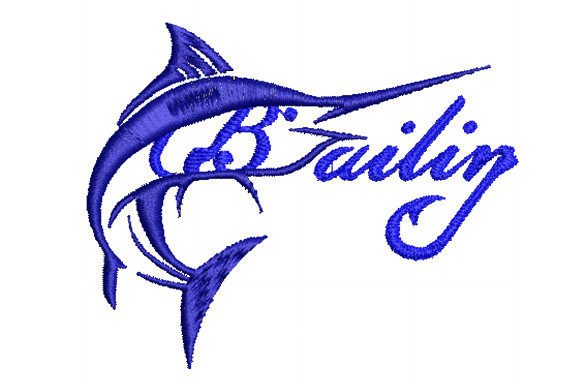
As an embroidery designer who has spent countless weekends behind a craft fair table, I have learned that not every digital file translates into a bestseller. The gap between a cute machine embroidery design on your computer screen and a profitable handmade product in a customer’s hand is often defined by clarity, placement, and perceived value. Recently, I tested the Marlin Bailing Logo Embroidery to see if it had the visual punch required for a busy market booth. This review breaks down how this specific Fish themed design performs in real-world applications, from tote bags to aprons, and whether it deserves a spot in your production queue.
First Impressions: Boldness Meets Coastal Charm
The first thing I look for in a new embroidery file is immediate readability. At a craft fair, you have roughly three seconds to catch a passerby’s eye. The Marlin Bailing Logo Embroidery strikes a balance between modern minimalism and rustic coastal charm. It does not feel overly decorative or cluttered; instead, it offers a clean, bold silhouette that reads well from a distance. This is crucial for a craft fair product. If a customer has to squint to understand the image, they will keep walking.
The aesthetic leans towards a premium, boutique feel rather than a childish or cartoonish vibe. This makes it versatile. It fits seamlessly into a farmhouse kitchen display, a nautical-themed gift shop, or a modern menswear section. For an Etsy seller or boutique maker, this versatility means you can market the same design across multiple niches without it feeling out of place. The "logo" style suggests branding, which adds a layer of professionalism to any item it adorns.
Product Application: Where This Design Shines
Not all products are created equal when it comes to displaying a logo-style fish design. Based on my testing, here is where the Marlin Bailing Logo Embroidery performs best:
- Tote Bags and Market Bags: This is arguably the strongest application. A large, centered placement on a canvas tote creates a high-impact tote bag design. The sturdy fabric supports the stitch work, and the bag itself acts as a walking advertisement for your brand.
- Aprons and Kitchen Textiles: For apron embroidery, placing the marlin on the bib or the lower corner adds a touch of personality without overwhelming the garment. It also works beautifully for tea towel embroidery, provided the scale is adjusted to fit the narrower fabric width.
- Embroidered Patches: Creating iron-on or sew-on patches is a fantastic way to utilize this design. Patches are low-commitment purchases for customers and allow you to batch-produce inventory quickly. The bold lines of the marlin hold up well even when scaled down for a patch.
- Caps and Hats: While popular, curved surfaces are tricky. The design needs to be simplified or reduced in size to avoid distortion on the front panel of a cap. If the original file has too much detail, it may bunch up on textured twill.
I found that using this design on pillows and handkerchiefs was less effective unless the hoop size was significantly large. On smaller items like handkerchiefs, the details risk getting lost, turning the crisp logo into a blurry blob of thread.
Production Practicality: Stitch Density and Fabric Choice
From a production standpoint, the Marlin Bailing Logo Embroidery is generally forgiving, but there are critical technical considerations. The stitch density appears moderate, which is ideal for speed. However, dense areas can cause puckering if you do not use the correct stabilizer. For woven fabrics like cotton tote bags or aprons, a cut-away stabilizer is recommended to maintain shape after washing. For knit fabrics like t-shirts, a tear-away with a top-stitch stabilizer might suffice, but test thoroughly.
Fabric texture plays a massive role in the final look. On smooth cotton or linen, the threads lay flat and the colors pop. On textured towels or rough canvas, the stitches can sink into the weave, reducing clarity. If you plan to sell on dark fabric, you must ensure the thread colors have enough contrast. A navy marlin on a black shirt will vanish. Always create a printable mockup or physical sample on your intended fabric color before committing to a full production run.
Another key factor is the hoop size. Since the prompt mentions usage on various items, you must confirm if the design is sized appropriately for your standard hoops. If the design is too large for a 4x4 hoop but too small for a 5x7, you may need to resize it. Be cautious when resizing; shrinking it too much can merge fine details, while enlarging it too much can expose gaps in the stitching.
Visual Appeal and Buyer Engagement
Why does this design help sell? It taps into the enduring popularity of ocean and wildlife motifs without being cliché. The Marlin Bailing Logo Embroidery feels intentional. It looks like a brand mark rather than just a random picture. This perception of "branding" increases the perceived value of the finished product. Customers are often willing to pay more for an item that looks like it came from a curated collection rather than a generic craft project.
For your booth display, consistency is key. Using this single design across a range of products—totes, aprons, and patches—creates a cohesive visual story. It strengthens your brand identity. When customers see the same high-quality marlin logo on different items, it signals professionalism. This consistency drives buyer engagement and encourages add-on sales. A customer might come for the tote but leave with a matching patch because the design language is unified.
Designer Notes: Before You Hit Start
Before you list this as a small shop product or include it in your commercial embroidery catalog, take these steps:
- Test on Scrap Fabric: Never run a new design on your final product first. Use scraps of the exact fabric and weight you intend to sell.
- Check Thread Contrast: Ensure your thread palette complements the fabric. High contrast is usually better for logo-style designs.
- Inspect Stitch Density: Look for excessive jumps or dense clusters that might cause thread breaks or needle heat.
- Verify Licensing: The description mentions it is a beautiful design, but you must confirm the license terms. Is it free for commercial use? Do you need to attribute the creator? Always check the details of the digital embroidery file provider.
- Create Real Mockups: Photos sell products. Take high-quality images of the embroidered item in natural light. Show the texture of the stitches. These images become your primary design assets for online listings.
In conclusion, the Marlin Bailing Logo Embroidery is a strong contender for your next collection. It offers the right mix of aesthetic appeal and production feasibility. By paying attention to fabric choice, stabilizer selection, and strategic product placement, you can turn this single Fish design into a revenue-generating staple for your Embroidery business. Remember, the goal is not just to stitch a design, but to create a product that customers want to own and wear. This design, when executed with care, achieves exactly that.