Hunny Bunny Embroidery Design: A Craft Fair Review
As an embroidery designer who has spent countless weekends behind a booth table, I know that not every design translates from screen to sales. When I first pulled up the Hunny Bunny Embroidery Design, my immediate goal was to determine if it had the visual punch required for a busy spring market. This is not just about aesthetics; it is about viability. Can this design hold its own on a crowded display table? Does it offer the versatility needed for a small shop product line? After reviewing the details, I am ready to share my professional assessment of how this Easter themed beautiful Embroidery design performs in a real-world retail environment.
First Impressions and Visual Appeal
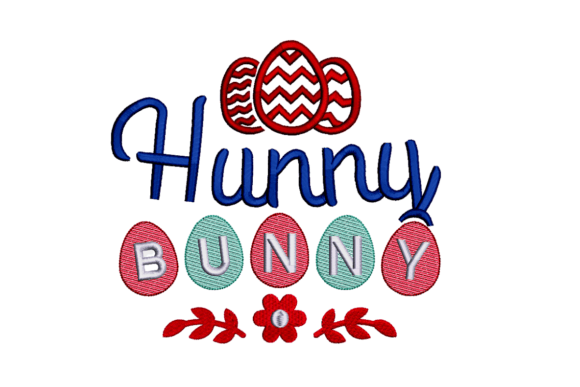
The initial glance at Hunny Bunny reveals a charming balance between whimsical and classic. The inclusion of eggs and writing suggests a narrative element that customers love, especially during the holiday season. The description notes that this has been manually digitized for a smooth finish, which is a critical detail for any serious embroiderer. Manual digitization often results in cleaner lines and better thread coverage compared to auto-digitized files, reducing the risk of gaps or messy backs.
The mood here is distinctly festive yet soft. It does not scream for attention with neon brightness but rather invites a closer look with its cute, approachable style. For a craft fair seller, this is ideal. It fits seamlessly into farmhouse, rustic, or modern minimalist booths without clashing. The design feels premium because of its intentional composition, avoiding the cluttered look that plagues many lower-quality digital embroidery files.
Product Versatility for the Weekend Market
When preparing my inventory for a spring event, I look for designs that can be applied across multiple substrates. Hunny Bunny Embroidery Design shines in its adaptability. Here is how I envision it performing on key craft fair products:
- Tote Bags: A canvas tote bag serves as an excellent canvas for this design. The sturdy fabric supports the stitch density well, and the size allows the bunny and eggs to be the focal point. As a tote bag design, it appeals to shoppers looking for reusable, seasonal accessories.
- Aprons and Tea Towels: Kitchen textiles are high-volume sellers. An apron embroidery featuring this motif adds a touch of personality to functional items. Similarly, tea towel embroidery benefits from the clear lines of the design, provided the fabric texture is not too loose or fluffy.
- Embroidered Patches: If the hoop size permits a smaller version, this could make a fantastic embroidered patch. Patches are low-cost, high-margin items that encourage impulse buys at checkout.
- Caps and Headwear: Curved surfaces are tricky. If the design is not too wide, it could work on the front panel of a cap. However, one must be cautious of distortion on curved cap surfaces.
- Pillow Covers and Pouches: For home decor enthusiasts, a pillow cover with this Easter motif creates an instant seasonal update. Small fabric pouches also benefit from the cute aesthetic, making them perfect for gift sets.
Production Practicality and Batch Efficiency
For an Etsy seller or boutique maker, time is money. The efficiency of producing a finished product depends heavily on the quality of the machine embroidery design. Since Hunny Bunny is described as having smooth digitization, it likely runs cleanly with fewer thread breaks. This is crucial for batch production. If you are stitching twenty tote bags for a Saturday market, you cannot afford constant maintenance issues.
The design’s clarity at a glance is another selling point. Customers walking past a booth make split-second decisions. A design that is easily understood as "Easter" and "Cute" without requiring explanation converts browsers into buyers. Furthermore, the writing element adds a personal touch that resonates with those seeking handmade gifts. It photographs beautifully for online listings, ensuring that your printable mockup and actual product photos maintain consistency.
Careful-Use Notes for Best Results
While the design is robust, there are technical considerations to ensure professional results. Always check the stitch density before running it on delicate fabrics. Dense stitch areas can cause puckering if the fabric is too thin or if the stabilizer is insufficient. For textured towels, ensure the underlay stitches are adequate to prevent the fabric from showing through the design.
Small lettering can sometimes lose clarity if scaled down too much. If you plan to use this as a small accent on a pocket or cuff, verify that the text remains legible. Additionally, when working with dark fabric, consider using a lighter thread color palette to ensure contrast. The thread colors you choose will define the mood; pastels enhance the soft Easter vibe, while brighter tones can make it pop for a more modern look.
Enhancing Brand Consistency and Buyer Engagement
Incorporating Hunny Bunny Embroidery Design into your lineup strengthens brand consistency if your shop focuses on seasonal or family-oriented goods. It signals to your audience that you offer timely, relevant design assets and finished products. Booth display strength is amplified when you have a cohesive theme. Grouping items featuring this design together creates a visually appealing vignette that draws the eye.
Buyer engagement increases when the product feels special. The manual digitization aspect implies a level of care that customers appreciate in handmade products. It differentiates your work from mass-produced imports. Whether you are selling the digital embroidery file itself or the stitched items, the perceived value is higher when the quality is evident.
Designer Tips for Implementation
Before committing to a full production run, follow these practical steps:
- Test on Scrap Fabric: Always stitch out a test piece on the exact fabric you intend to sell. Check for puckering or pull.
- Review Spacing and Hoop Size: Confirm that the design fits comfortably within your chosen hoop size without hitting the edges.
- Inspect Stitch Density: Look for areas where threads may overlap excessively, which can cause bulk.
- Use the Right Stabilizer: Match your stabilizer to the fabric weight. Cut-away for stretchy fabrics, tear-away for stable woven cottons.
- Create Real Mockups: Photograph the stitched sample in natural light. Compare fabric colors to see which background makes the design stand out most.
- Confirm Licensing: Ensure you understand the commercial embroidery license terms. If you are selling finished products, verify that the digital embroidery file purchase includes commercial rights.
In conclusion, Hunny Bunny Embroidery Design offers a compelling option for spring inventory. Its blend of cute aesthetics and practical digitization makes it a strong contender for craft fair success. By paying attention to fabric choice, stabilizer selection, and presentation, you can maximize its potential as a top-selling item in your handmade shop.