Embroidery Insects Tumbler Sublimation Review
As an embroidery designer who has spent years helping small businesses translate their brand vision into tangible, stitched reality, I approach every new digital embroidery file with a critical eye. It is not just about whether a design looks pretty on a screen; it is about how it performs in the hoop, how it wears over time, and how it elevates the perceived value of the final product. Today, I am reviewing Embroidery Insects Tumbler Sublimation, a resource that sits at the interesting intersection of sublimation graphics and machine embroidery applications. For shop owners, Etsy sellers, and merch creators, understanding how to leverage these assets correctly is key to maximizing return on investment.
First Impressions: Visual Personality and Brand Fit
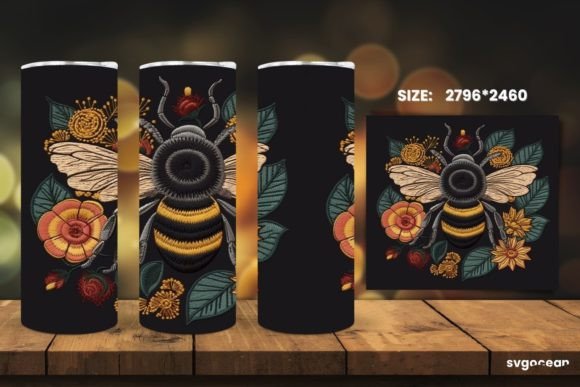
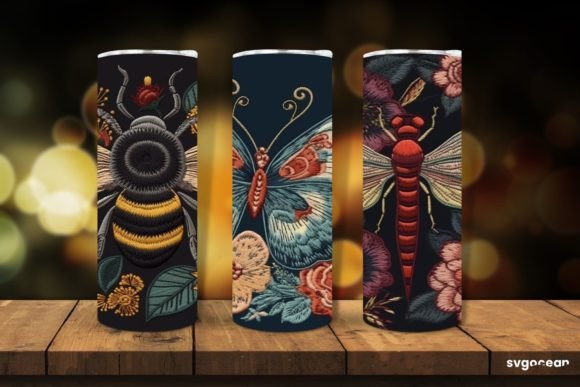
The title Embroidery Insects Tumbler Sublimation suggests a hybrid approach to decoration. Upon reviewing the package details, which note that the bundle comes in a single ZIP file containing three PNG files at 300 DPI, my first impression is one of versatility rather than traditional stitch data. This falls squarely under the category of Crafts and Graphics, offering high-resolution imagery intended for sublimation or print-on-demand workflows, yet marketed with an embroidery aesthetic in mind.
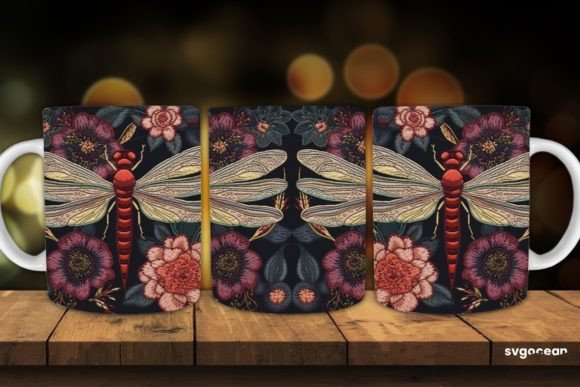
Visually, insect motifs tend to convey a sense of nature, whimsy, and intricate detail. For a boutique, florist, or eco-friendly brand, this aesthetic feels organic and handmade. It does not scream "corporate uniform" but rather invites a connection to craftsmanship and the natural world. This makes it an excellent candidate for brands looking to project a friendly, rustic, or artistic identity. However, because these are PNG graphics and not vector-based embroidery files, the "embroidery" aspect likely refers to the visual style of the graphic or its intended use as a reference for custom digitizing, rather than a ready-to-stitch DST or PES file. This distinction is crucial for business owners planning their production workflow.
Real-World Business Applications
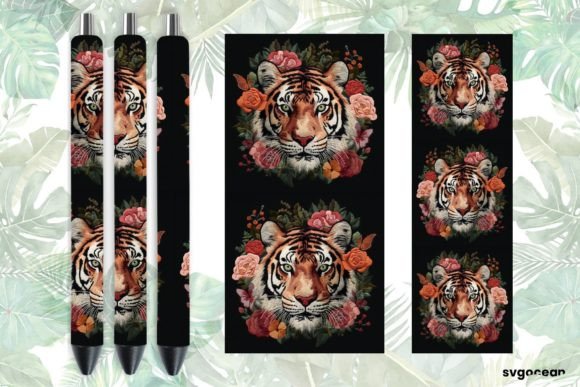
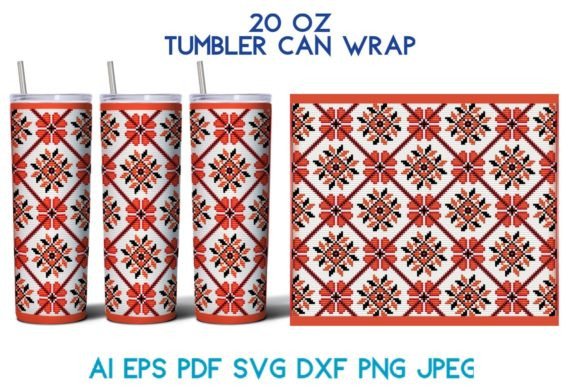
When considering Embroidery Insects Tumbler Sublimation for commercial use, we must look beyond the tumbler wrap mentioned in the description. While the primary format is a 20 oz tumbler wrap, the high-resolution 300 DPI PNGs offer significant flexibility for various small business merch items. Here is how I envision these assets performing in a real-world scenario:
- Custom Apparel and Aprons: For a local café or bakery, these insect graphics can be sublimated onto polyester aprons or light-colored work shirts. The detailed nature of insect designs adds a layer of sophistication to staff uniforms, moving away from generic logos to something more engaging.
- Tote Bag Design: Canvas tote bags are a staple for handmade brands. By using these graphics as part of a larger printed panel or as a transfer, you can create unique, limited-edition bags that stand out in a crowded market.
- Branded Patches: If you have access to dye-sublimation patch blanks, these PNGs can be printed directly onto fabric patches. This allows for full-color, photorealistic insect designs that would be prohibitively expensive or technically difficult to achieve with thread alone due to high stitch density requirements.
- Product Packaging Accents: Use the graphics on thank-you cards, sticker labels, or tissue paper inserts. This reinforces brand identity without the cost of physical embroidery on every item.
For Etsy sellers and crafters, this bundle serves as a versatile set of design assets. It allows for the creation of cohesive collections across different product types, from drinkware to wearable art, ensuring visual consistency across your storefront.
Technical Considerations and Limitations
While the artistic potential is high, there are technical constraints to consider when using PNG graphics for embroidered or sublimated products. Since the product description specifies "3 PNG file 300 DPI Straight," this is not a machine-readable embroidery file. You cannot load this directly into an embroidery machine. This requires a specific workflow:
- Sublimation Only: If you are sticking to sublimation, ensure your blanks are polyester-coated or white polyester. Dark fabrics will not show the design unless you use a white underbase transfer, which changes the hand feel of the garment.
- Digitizing for Embroidery: If you intend to actually embroider these insects, you must hire a digitizer to convert the PNG into a stitch file. Insect wings and legs involve fine details. On small areas like cap fronts or chest logos, these details may become lost or cause thread breaks if the stitch density is too high. Simplification is often necessary for smaller hoop size applications.
- Fabric Texture and Stabilizer: When applying these designs to textured fabrics like towels or heavy canvas, the clarity of the 300 DPI image may soften. Always test on the actual fabric you plan to sell. If digitizing, use a cut-away stabilizer to support the intricate shapes of insect legs and antennae.
Be cautious with small patch sizes. Intricate insect outlines can merge together if scaled down too far. For cap embroidery or small chest logos, consider isolating just the body or head of the insect rather than the entire wing span to maintain legibility.
Impact on Brand Identity and Customer Trust
Using high-quality, thematic graphics like those in Embroidery Insects Tumbler Sublimation significantly impacts how customers perceive your brand. A cohesive visual story builds trust. When a customer sees the same insect motif on their tumbler, their tote bag, and your social media posts, it signals professionalism and attention to detail. It transforms a simple transaction into an experience.
For handmade brands, this level of customization suggests that the product is not mass-produced in a faceless factory. It adds to the narrative of the handmade product, justifying a higher price point. Furthermore, offering coordinated merchandise—such as a tumbler and a matching apron—encourages larger basket sizes and repeat purchases. It shows that you have invested in your commercial embroidery and printing capabilities, which reassures buyers of your longevity and reliability as a seller.
Designer Notes for Production Success
Before launching any campaign using these assets, I recommend the following practical steps to ensure a premium finished product:
- Check Licensing: Confirm the commercial license terms included in the ZIP file. Ensure you are allowed to use the graphics on physical goods for sale.
- Create a Printable Mockup: Before printing or stitching, place the PNG onto a digital mockup of your chosen product. Check for color contrast against your fabric or blank color.
- Test Wash Durability: If sublimating, wash the test item multiple times to ensure the ink bonds correctly and does not fade, especially on items like aprons that may face frequent laundering.
- Compare Design Assets: Place this insect design beside your existing logo and other graphics. Does it complement your current style? Visual consistency is key to strong branding.
- Verify File Extraction: As noted in the description, ensure you have the software to extract the .ZIP file. Corrupted downloads can ruin a production schedule, so verify the integrity of the 3 PNG files immediately upon purchase.
In conclusion, Embroidery Insects Tumbler Sublimation is a valuable tool for designers and small business owners who understand the difference between print-ready graphics and stitch files. When used correctly—primarily for sublimation or as a reference for custom digitizing—it offers a charming, nature-inspired aesthetic that can elevate custom apparel, accessories, and home goods. By paying attention to fabric choices, sizing, and brand consistency, you can turn these digital assets into profitable, eye-catching merchandise that resonates with your audience.