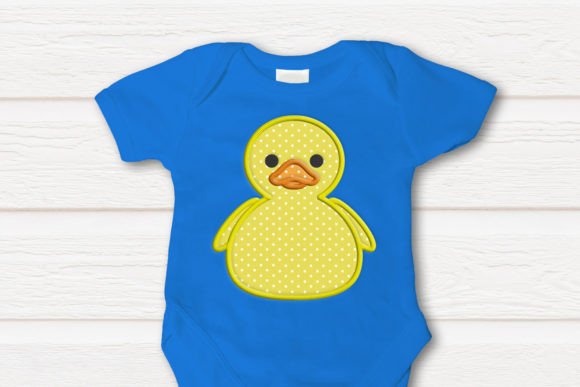
Rubber Duck Front Applique Embroidery Review
As an embroidery designer who spends countless hours digitizing and testing designs for seasonal collections, I am always on the lookout for motifs that bridge the gap between playful charm and commercial viability. When I first loaded the Rubber Duck Front Applique Embroidery file into my software, my immediate reaction was one of delight mixed with strategic calculation. This is not just a cute image; it is a versatile asset for any creator looking to capitalize on the enduring popularity of bath-time themes, nursery decor, and whimsical holiday gifting.
In the world of Birds and animal-themed Embroidery, the rubber duck holds a unique position. It is instantly recognizable, universally loved, and carries a nostalgic weight that appeals to both parents buying for babies and adults seeking a touch of humor in their home decor. In this review, I will break down how this design performs in real-world selling scenarios, offering practical advice for Etsy sellers, small shop owners, and handmade gift makers.
First Impressions: Playful Charm Meets Commercial Appeal
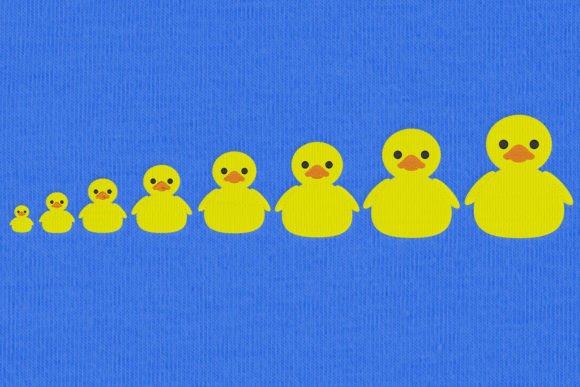
The aesthetic of the Rubber Duck Front Applique Embroidery is undeniably cheerful. The use of applique technique allows for large areas of bright yellow fabric to take center stage, reducing stitch count while maximizing visual impact. This creates a clean, modern look that avoids the heaviness often associated with dense satin stitches. The emotional tone is light-hearted and cozy, making it perfect for spring cleaning promotions, baby showers, or even as a quirky addition to Easter baskets.
For holiday product creators, the "festive" nature of this design might seem ambiguous at first. However, its strength lies in its adaptability. It does not scream a specific holiday, which means it has a longer shelf life. It can be positioned as a "Spring Refresh" item, a "New Baby" celebration gift, or a fun summer accessory. The decorative style is simple yet effective, relying on the contrast between the yellow applique fabric and the surrounding stitch work to define the shape.
Strategic Product Placement for Seasonal Sales
When building a seasonal shop collection, versatility is key. Here is how I envision using this machine embroidery design across various product lines to maximize revenue:
- Baby Items and Nursery Decor: This is the most obvious application. Hooded towels, burp cloths, and onesies benefit greatly from the soft texture of applique. Parents love items that are gentle on skin, and the flat nature of applique ensures comfort.
- Kitchen and Bath Linens: Think beyond the bathroom. A set of kitchen towel embroidery featuring this duck can create a cohesive, fun theme for a housewarming personalized gift. Pair it with a matching apron for a complete bundle.
- Apparel and Sweatshirts: For sweatshirt embroidery, place the design on the left chest for a subtle look or centered on the back for a bold statement. It works exceptionally well on pastel-colored hoodies, creating a soft, vintage-inspired vibe.
- Tote Bags and Accessories: A canvas tote bag design featuring this duck is perfect for beach trips or library runs. The durability of the applique holds up well against the rougher texture of canvas fabric.
- Home Decor Accents: Consider using this on a pillow cover for a child’s room or as an embroidered patch that can be ironed onto denim jackets or backpacks.
For Etsy seller accounts, creating bundles is a powerful strategy. Offer a "Bath Time Bundle" that includes a towel and a washcloth, or a "Nursery Set" with a pillow and a wall hanging. These higher-ticket items increase your average order value and make your small shop product listings stand out.
Technical Considerations for Professional Results
While the design is user-friendly, successful execution requires attention to detail. As a designer, I cannot stress enough the importance of checking the specific details of your digital embroidery file before production. Since this is an applique design, you must ensure you have the correct placement stitches, cut lines, and tack-down stitches clearly defined in your machine.
Fabric texture plays a crucial role in the final outcome. Lighter fabrics may require a cut-away stabilizer to prevent puckering, especially if the item will undergo repeated washing. For thicker materials like terry cloth towels, a tear-away stabilizer might suffice, but always test first. The stitch density of the border around the applique should be balanced; too dense, and it may perforate delicate fabrics; too sparse, and the edges of the applique fabric may fray over time.
When selecting thread colors, consider the background fabric. On white or light pastels, standard black or dark gray outlines provide excellent contrast. However, if you are stitching on dark fabric, you may need to adjust the outline color to a lighter shade or use a metallic thread for a premium look. Be cautious with metallic threads, as they can be brittle and may break during high-speed stitching. Always run a test stitch-out to confirm tension and alignment.
Navigating Challenges in Holiday and Gift Markets
One common mistake beginners make is ignoring hoop size constraints. Ensure that the design fits comfortably within your standard hoops without requiring excessive re-hooping, which can lead to misalignment. For curved surfaces like caps, this design might be challenging due to the flat nature of applique; it is best suited for flat or slightly curved surfaces like tote bags, pillows, and shirt fronts.
Another consideration is the perception of value. Applique can sometimes look "cheap" if the fabric edges are not neatly trimmed or if the tack-down stitches are uneven. To maintain a premium feel, use sharp scissors for trimming and ensure your machine’s tension is perfectly calibrated. Creating realistic printable mockup images for your online listings is essential. Show the design on various products to help customers visualize the finished product.
For commercial embroidery purposes, always verify the license terms included with your purchase. Most designers allow you to sell physical items made with their designs, but restrictions may apply to mass production or digital redistribution. Confirming these details protects your business and builds trust with your customers.
Enhancing Brand Consistency and Customer Engagement
Incorporating the Rubber Duck Front Applique Embroidery into your seasonal lineup can significantly boost engagement. It is a conversation starter. Use social media to show the behind-the-scenes process of creating the applique—cutting the fabric, placing it, and stitching the border. This transparency builds customer trust and highlights the handmade quality of your work.
Furthermore, this design supports brand consistency if your shop focuses on whimsical, family-friendly, or home-centric themes. It complements other animal or nature-inspired designs, allowing you to create cohesive collections. During holiday shopping periods, such as Mother’s Day or baby-focused celebrations, this design can be marketed as a thoughtful, unique handmade gift that stands out from generic store-bought items.
In conclusion, the Rubber Duck Front Applique Embroidery is a robust addition to any embroiderer’s library. It offers a blend of ease-of-use, visual appeal, and commercial versatility. By paying attention to technical details like stabilizer choice, fabric compatibility, and thread selection, you can produce high-quality items that delight customers and drive sales. Whether you are decorating sweatshirts, crafting kitchen linens, or designing nursery accents, this motif provides a reliable foundation for creative and profitable projects.