Reviewing the Embroidery Bee Mug Wrap Sublimation
As an embroidery designer who spends countless hours digitizing and testing patterns for seasonal collections, I approach every new machine embroidery design with a critical eye. It is not just about whether the image looks pretty on a screen; it is about how it translates to fabric, how it holds up in the wash, and most importantly, how it resonates with customers during the high-stakes holiday shopping season. Recently, I had the opportunity to review the Embroidery Bee Mug Wrap Sublimation, a digital asset that bridges the gap between sublimation printing and textured textile art. While the product title suggests a specific application for 11 oz mugs, my focus as a creator of Crafts and Graphics is to determine its versatility for broader seasonal product lines.
First Impressions: A Cozy, Rustic Appeal
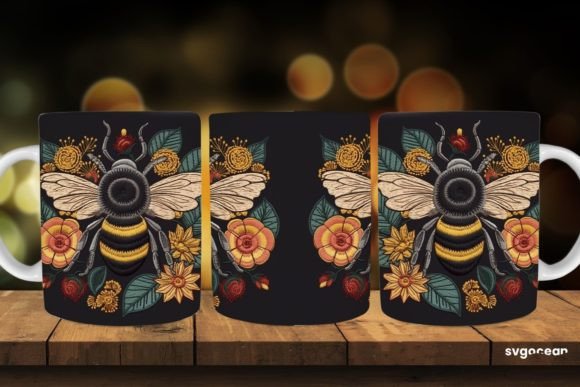
The first thing that strikes me about this design is its inherent warmth. The bee motif, often associated with spring and summer, takes on a completely different character when framed within a cozy, rustic aesthetic suitable for autumn and winter. The emotional tone is undeniably inviting. It feels less like a bright, buzzing summer day and more like a quiet afternoon with a hot cup of tea. This shift in mood is crucial for holiday embroidery success. Customers are looking for items that evoke feelings of home, comfort, and nostalgia.
The detail level appears balanced. It is intricate enough to look premium and handcrafted but not so dense that it becomes a nightmare to stitch out on standard home machines. For Etsy sellers and small business owners, this balance is vital. A design that is too complex increases production time and thread breaks, eating into profit margins. This design seems to offer that sweet spot of visual interest without excessive production friction.
Versatility Beyond the Mug: Seasonal Product Applications
While the file is marketed for sublimation on mugs, creative entrepreneurs know that a strong graphic can transcend its original medium. I envision this design working beautifully across a variety of small shop product categories. Here is how I would integrate it into a seasonal collection:
- Sweatshirt Embroidery: Placed on the left chest or as a larger back print, this design adds a touch of nature-inspired charm to oversized hoodies. It pairs perfectly with earth tones like mustard, olive, and burnt orange.
- Tote Bag Design: Canvas totes are holiday staples for gift-giving. Embroidering this bee motif onto a natural canvas bag creates a sturdy, reusable handmade gift that appeals to eco-conscious shoppers.
- Kitchen Towel Embroidery: This is perhaps the most natural fit. A set of embroidered kitchen towels featuring this bee design makes for an excellent hostess gift or a charming addition to a farmhouse-style kitchen.
- Pillow Cover Accents: Adding this motif to the corner of a linen or cotton pillow cover can elevate a simple home decor item into a statement piece for fall living rooms.
- Embroidered Patch: If digitized correctly for a smaller hoop, this could become a standalone patch. Patches are low-commitment purchases that allow customers to customize their own jackets or bags later.
By expanding the use cases, you increase the perceived value of the digital embroidery file. You are not just selling a picture; you are selling a solution for multiple product lines.
Navigating Technical Challenges in Production
However, excitement must be tempered with technical precision. There are specific areas where this design requires careful handling. As a designer, I always advise checking the stitch density before running a full production batch. If the design is intended for sublimation, the PNG file provided (2925 x 1425 px at 300 DPI) is high resolution, which is excellent for printing. But if you are converting this graphic into an embroidered element, you must ensure the digitization accounts for fabric texture.
For instance, stitching on thick towels requires a different approach than stitching on a smooth cotton sweatshirt. On plush fabrics, you may need a cutaway stabilizer to prevent the design from sinking into the pile. Conversely, on stretchy garments like leggings or thin t-shirts, a tear-away stabilizer might suffice, but you must watch for puckering. Additionally, if you plan to use metallic thread to highlight the bee’s wings or body, test it first. Metallic threads are prone to breaking and can overshadow the subtle details of the design if not used sparingly.
Another consideration is the hoop size. Ensure that the scaled version of the design fits comfortably within your standard hoops without requiring excessive re-hooping, which slows down production. Always verify the specific file formats and licensing terms provided in the ZIP file. The description notes a PNG file, which is a raster image. If you are embroidering, you will need a proper embroidery file format (such as PES, DST, or EXP). If the package does not include these, you will need to digitize the PNG yourself or hire a digitizer, keeping commercial licensing in mind.
Boosting Holiday Sales and Brand Consistency
From a marketing perspective, the Embroidery Bee Mug Wrap Sublimation offers strong potential for social media engagement. The rustic, cozy aesthetic is highly "pin-able" and Instagram-friendly. When creating printable mockup graphics for your online store, use lifestyle images that feature warm lighting, wooden textures, and autumn leaves. This contextualizes the product and helps the buyer visualize it in their own home.
This design also supports brand consistency. If your shop focuses on nature-inspired, handmade goods, this bee motif reinforces that identity. It builds customer trust because it feels authentic rather than generic. During the holiday rush, shoppers are overwhelmed with choices. A cohesive, well-curated collection that features consistent design elements like this bee motif stands out. It signals that you are a thoughtful creator who cares about quality and aesthetics.
Practical Designer Notes for Success
To maximize the potential of this design, follow these practical steps:
- Test Thread Colors: Do not assume the default colors will work on every fabric. Test on both light and dark fabrics to see if you need underlay stitches or color adjustments for visibility.
- Check Licensing: Before selling any finished product, confirm the commercial license terms included in the download. Ensure you are compliant with usage rights for physical goods.
- Create Realistic Mockups: Use high-quality photos of your stitched samples. Show the texture of the thread and the drape of the fabric. This reduces return rates by setting accurate expectations.
- Plan Color Palettes: Create bundles. Offer this design in a "Fall Harvest" palette and a "Winter Frost" palette. Bundling increases average order value.
- Review Small Details: After stitching a test sample, inspect the small details. Are the edges clean? Is there any pulling? Make adjustments to tension or stabilizer before listing the item for sale.
In conclusion, the Embroidery Bee Mug Wrap Sublimation is more than just a graphic for a mug. It is a versatile design element that, when handled with technical care and creative vision, can anchor a successful seasonal collection. For the Etsy seller or apparel decorator looking to add depth to their holiday offerings, this design provides the rustic charm and emotional resonance that modern shoppers crave. By paying attention to the technical details of stitching and leveraging the design across multiple product types, you can create a cohesive, profitable, and visually stunning line of personalized gift items that stand out in the crowded holiday marketplace.