Reviewing Lace Embroidery Border for Boutique Apparel
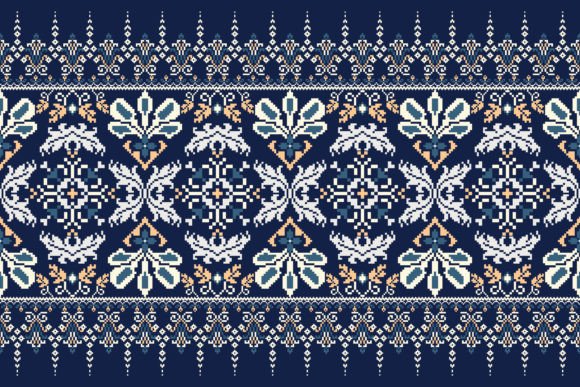
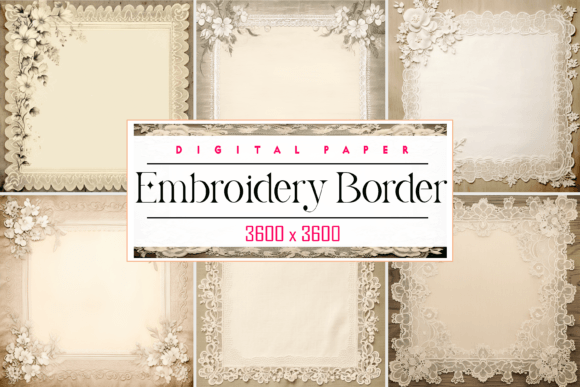
As an embroidery designer who spends countless hours digitizing and testing designs for client collections, I am always on the lookout for assets that bridge the gap between digital convenience and tangible textile quality. Recently, I explored the Lace Embroidery Border available on Creative Fabrica. While listed under Backgrounds and Graphics, this collection offers a unique opportunity for apparel decorators and boutique brand owners to elevate their custom apparel lines. The visual personality of these borders is immediately striking, offering a delicate yet structured aesthetic that feels both premium and timeless.
First Impressions: Visual Mood and Stitching Aesthetic
When I first opened the Lace Embroidery Border files, my primary observation was the intricate detailing. In the world of machine embroidery design, lace can often appear too dense or too fragile depending on the digitization. However, this bundle strikes a balance that feels feminine, classic, and slightly rustic. The decorative strength of these borders lies in their versatility; they are not overly bold, which allows them to sit comfortably on neutral sweatshirts or pastel hoodies without overwhelming the garment.
The stitching mood suggests a high level of craftsmanship. For a boutique brand, this is crucial. Customers browsing Etsy listings or visiting small shop products are looking for signs of quality. A well-executed lace border signals attention to detail. Whether you are aiming for a cozy seasonal look or a clean, minimal aesthetic, the visual consistency of these graphics provides a strong foundation for brand identity. The designs do not scream "trendy" in a way that will date quickly; instead, they offer a enduring appeal that supports long-term product recognition.
Application on Sweatshirts and Hoodies
The most exciting application for the Lace Embroidery Border is undoubtedly sweatshirt embroidery. I envision these borders working exceptionally well on oversized garments, where the extra fabric real estate allows the intricate patterns to breathe. For a hoodie design, placing a lace border along the bottom hem or across the chest can transform a basic fleece pullover into a statement piece. The contrast between the soft, textured fabric of a hoodie and the precise, openwork nature of lace creates a sophisticated tactile experience.
However, placement is key. On dark apparel, such as charcoal or navy sweatshirts, using lighter thread colors can make the lace pattern pop, creating a stunning visual contrast. Conversely, on pastel hoodies, matching the thread color closely to the fabric creates a subtle, tonal effect that feels understated and elegant. I also see potential for sleeve accents. A narrow lace border running down the length of a sleeve adds a unique touch to custom apparel, distinguishing your handmade product from mass-produced alternatives. When planning back designs, ensure the scale of the border matches the size of the garment to maintain proportion and visual harmony.
Versatility Across Apparel and Accessories
Beyond hoodies, the Lace Embroidery Border shines on t-shirt embroidery projects. A delicate border placed at the neckline or hem of a high-quality cotton tee can elevate a simple basic into a boutique merchandise staple. For denim jackets, the sturdy fabric provides excellent support for the stitch density, allowing the lace details to stand out prominently. This makes it an ideal choice for commercial embroidery products aimed at customers who value durability alongside style.
Tote bag design is another area where these graphics excel. A lace border embroidered along the top edge or centered on the front panel of a canvas tote adds a charming, handmade touch. This is particularly effective for lifestyle product photos, where the texture of the embroidery can be highlighted against natural backgrounds. For Etsy sellers, offering coordinated sets—such as a hoodie and matching tote featuring the same lace motif—can increase average order value and enhance customer engagement.
Considerations for Fabric and Stabilization
While the aesthetic appeal is high, practical execution requires careful planning. Lace embroidery often involves complex stitch paths and varying densities. When working with stretchy fabric like fleece or ribbed fabric, proper stabilization is non-negotiable. I strongly advise using a cut-away stabilizer for sweatshirts to prevent the stitches from pulling or distorting over time. For lighter fabrics used in t-shirts, a tear-away might suffice, but always test on scrap fabric first.
Fabric texture plays a significant role in the final outcome. On smooth fabrics, the lace details will be crisp and clear. On textured fabrics like French terry or heavy fleece, some finer details may get lost. It is essential to inspect stitch density and adjust tension settings accordingly. Additionally, be cautious with curved surfaces. Embroidering a straight lace border on a curved seam, such as the shoulder of a raglan sleeve, requires precise hooping and potentially editing the design to follow the curve, if the software allows.
Enhancing Brand Value and Professional Presentation
Incorporating the Lace Embroidery Border into your product line does more than just add decoration; it enhances perceived value. Buyers trust brands that present a cohesive visual identity. By using consistent design elements across your custom apparel, you build brand recognition. High-quality embroidery contributes to professional presentation, making your finished product look polished and ready for retail.
For digital sellers and creative entrepreneurs, these graphics also serve as excellent resources for printable mockups and social media graphics. Even if you are not embroidering every item yourself, using these high-resolution images in your marketing materials can help visualize the end result for customers. This bridges the gap between the digital file and the physical handmade product, helping buyers imagine the item in their own lives.
Practical Designer Notes for Production
Before launching a full collection, there are several critical steps to take. First, confirm the specific file formats included in the Lace Embroidery Border bundle. Ensure they are compatible with your embroidery machine. Second, check the recommended hoop size. Some intricate lace designs require larger hoops to maintain stability and prevent hoop burn. Third, review the licensing terms on Creative Fabrica. While many assets allow for commercial use in finished products, it is vital to verify that you can sell the physical embroidered items you create.
Always test thread color contrast on your actual garment fabric. What looks good on screen may behave differently in thread. Satin threads may shine too much for a rustic look, while matte threads might blend in too much on dark garments. Experiment with different thread types to find the right balance. Finally, compare placement options on actual garments. Pin the printed pattern to the fabric before hooping to ensure the placement feels balanced and flattering.
In conclusion, the Lace Embroidery Border is a versatile and valuable asset for any embroidery designer or boutique owner. Its ability to adapt to various apparel types, from cozy sweatshirts to structured denim jackets, makes it a standout choice for enhancing custom apparel. By paying attention to fabric choice, stabilization, and placement, you can leverage this design to create high-quality, commercially viable products that resonate with customers seeking unique, handmade elegance.