Review: Poop Emoji Linework Embroidery for Makers
As an embroidery designer who spends countless hours digitizing and testing files, I have learned that the success of a handmade product often hinges on the quality of the underlying digital embroidery file. Recently, I explored the Poop Emoji Linework Embroidery available on Creative Fabrica. While it might seem like a novelty item at first glance, this design holds surprising potential for specific niches within the Hobbies and crafting community. In this review, I will break down how this design performs in real-world applications, from custom apparel to boutique merchandise, helping you decide if it belongs in your library.
First Impressions and Design Aesthetic
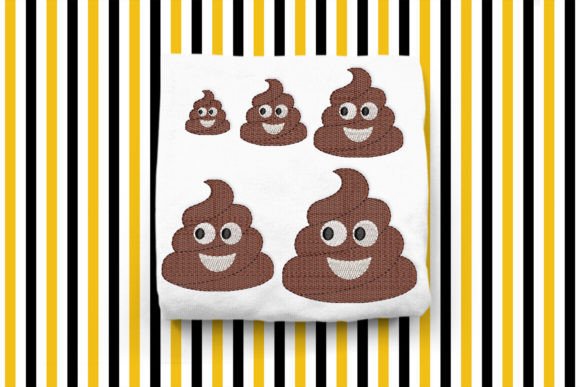
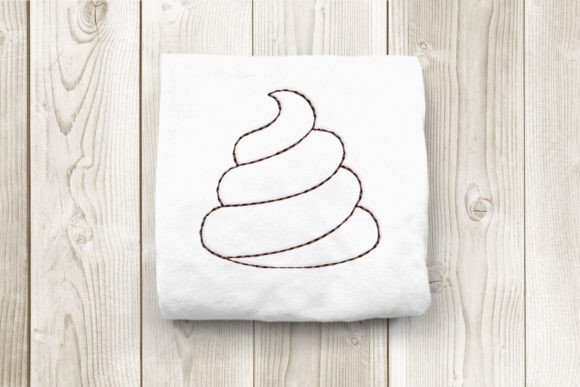
The immediate appeal of the Poop Emoji Linework Embroidery lies in its simplicity. Unlike complex photorealistic designs that require thousands of stitches and extensive thread changes, this linework approach offers a clean, modern aesthetic. The visual mood is playful and irreverent, making it an instant conversation starter. For designers who appreciate minimalism, the use of simple lines rather than heavy fill stitch areas reduces bulk, which is a critical factor when working with lightweight fabrics.
The stitching personality here is casual and fun. It does not try to be overly sophisticated, which is exactly its strength. This type of machine embroidery design fits naturally into projects aimed at younger demographics, gag gifts, or brands that embrace humor. When viewing the preview, the detail level appears sufficient for small-scale applications without losing clarity, provided the stitch density is appropriate for the chosen fabric.
Real-World Application and Product Potential
When considering where to apply this design, versatility is key. I evaluated how the Poop Emoji Linework Embroidery would look on various substrates commonly used in commercial embroidery and home crafting. Here are some practical scenarios where this design shines:
- Tote Bag Design: Canvas bags are sturdy and handle embroidery well. The contrast of the linework against natural cotton canvas creates a trendy, street-style look that appeals to college students and young professionals.
- Sweatshirt Embroidery: Placing this on the chest or sleeve of a hoodie adds a subtle touch of humor. Because it is linework, it avoids the stiff, cardboard-like feel that heavy satin or fill stitches can create on soft fleece.
- Kitchen Towels and Aprons: As mentioned in the product description, this design works well on towels. A humorous emoji on a kitchen towel makes for an excellent housewarming personalized gift or a unique addition to a themed kitchen set.
- Embroidered Patch: This is perhaps the most versatile application. By stitching the design onto twill or felt and cutting it out, you create an iron-on or sew-on patch. This allows customers to customize their own jackets, backpacks, or hats, adding value to your finished product.
- Custom Apparel: T-shirts and baby onesies are obvious choices. However, caution is needed with baby items to ensure the threads used are soft and safe, and the backing is comfortable against sensitive skin.
For Etsy sellers and small business owners, this design can serve as a niche product. It fits well within categories like novelty gifts, bachelor party favors, or humorous nursery decor (for parents with a sense of humor). Using this asset in your printable mockup portfolios can help visualize these possibilities for potential buyers.
Technical Considerations for Stitching Success
While the design is straightforward, successful execution requires attention to technical details. Since the product description notes that it comes with multiple formats, it is likely compatible with most major machine brands. However, always verify the specific hoop size requirements before starting. Linework designs can sometimes appear sparse if scaled up too large, so keeping the design within its intended dimensions is crucial for maintaining visual impact.
Fabric choice plays a significant role. For stretchy fabrics like jersey knits used in t-shirts, a proper stabilizer is non-negotiable. I recommend using a cut-away stabilizer for garments that will undergo frequent washing, as it provides lasting support and prevents puckering around the stitch lines. For woven fabrics like tote bags or pillowcases, a tear-away stabilizer may suffice, but testing is essential.
Thread color contrast is another vital element. Since this is a linework design, the thread color must stand out against the fabric. On dark fabrics, use bright, high-contrast threads like white, yellow, or neon colors. On light fabrics, darker threads will define the shape better. Always run a test stitch on scrap fabric to check tension and registration. Inspect the small details after stitching to ensure the lines are smooth and there are no unintended jumps or loose threads.
Enhancing Brand Value and Customer Engagement
Incorporating fun, recognizable icons like the poop emoji can significantly boost customer engagement. In the world of Embroidery, standing out is challenging. A design that evokes an emotional response—whether laughter or surprise—creates a memorable brand experience. When customers see a well-executed, humorous design, they perceive the maker as approachable and creative.
This design can also enhance product photography. A quirky embroidered tote bag or sweatshirt is more likely to stop the scroll on social media platforms compared to a generic floral pattern. This increased visibility can drive traffic to your shop and improve conversion rates. Furthermore, offering this as part of a collection—for example, a series of emoji-themed kitchen textiles—can encourage bundle purchases, increasing the average order value.
For those selling design assets or finished goods, consistency is key. Ensure that the quality of the stitching matches your brand standards. A sloppy linework design can look amateurish, while a crisp, clean execution looks professional and intentional. Pay attention to thread colors, ensuring they align with your brand palette or the specific product line you are creating.
Final Verdict and Best Practices
The Poop Emoji Linework Embroidery is a solid addition to a designer’s toolkit, particularly for those targeting niche markets or looking to add a playful element to their offerings. It is not just a novelty; it is a versatile design element that, when used correctly, can elevate simple items into standout products.
Before integrating this into your commercial workflow, keep the following best practices in mind:
- Check Licensing: Always review the license terms on the Creative Fabrica product page. Ensure you have the right to use the design for commercial purposes if you plan to sell finished items.
- Test Extensively: Never skip the test stitch. Verify how the design behaves on different fabric weights and types.
- Optimize Stabilization: Match your stabilizer to your fabric. Incorrect stabilization is the most common cause of poor embroidery results.
- Consider the Audience: While humorous, ensure the design fits the sensibilities of your target market. It may not be suitable for formal or traditional boutiques but is perfect for casual, youth-oriented, or novelty shops.
- Verify File Details: Since the description mentions multiple formats, confirm that your specific machine can read the provided file types without needing additional conversion software, which can sometimes alter stitch data.
In conclusion, if you are looking for a low-risk, high-reward design to experiment with humor in your custom apparel or home decor lines, this file is worth considering. It offers a balance of simplicity and character that, with proper technique, can result in high-quality, engaging handmade products.